How Political Discrimination Damages Communities
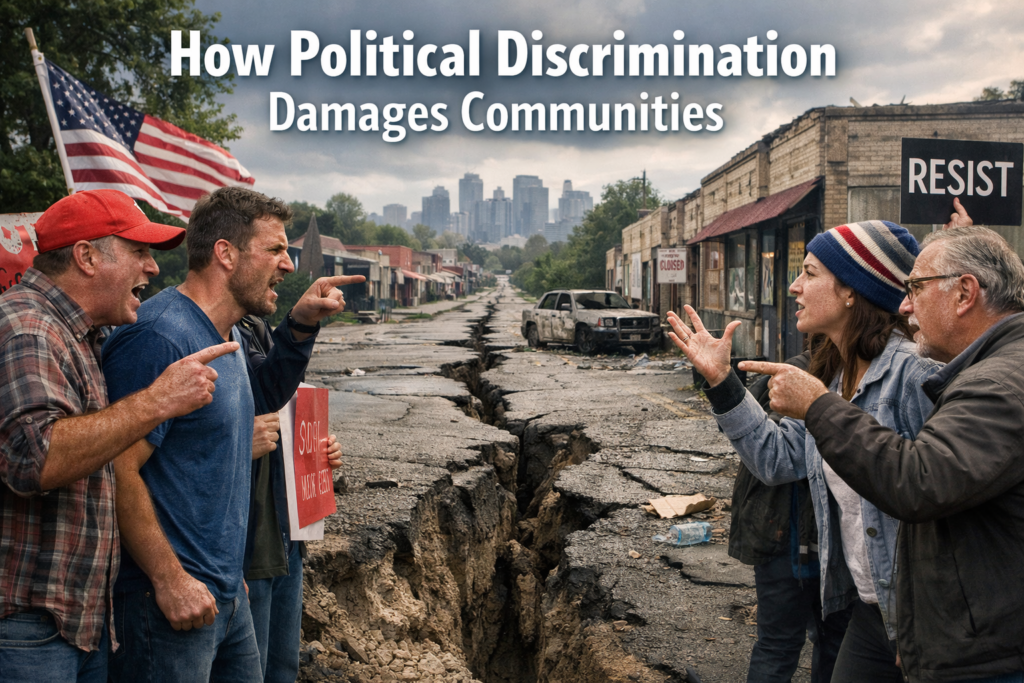
Introduction Political discrimination remains an often overlooked but deeply harmful force in modern democracies. When individuals or groups are targeted, excluded, or mistreated because of their political beliefs or affiliations, the resulting social, legal, and economic consequences ripple far beyond the individual; they fracture entire communities. From voter suppression to ideological profiling, political bias challenges […]
The Link Between Economic Inequality and Constitutional Rights
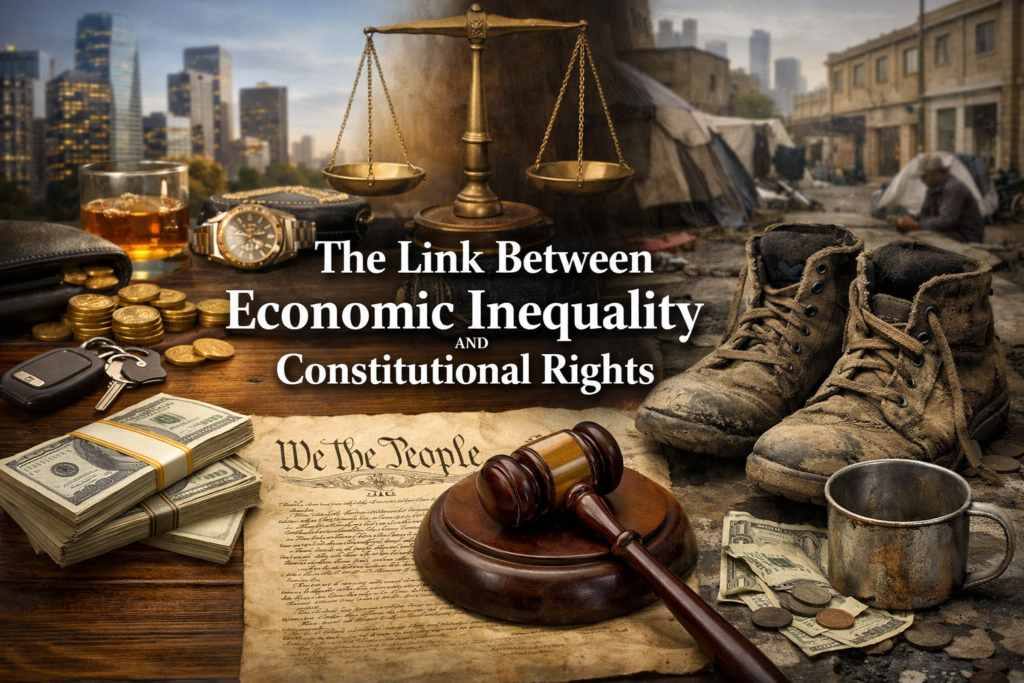
Introduction Economic inequality has surged to the forefront of public discourse, not only as a financial issue but as one that deeply affects democracy, dignity, and basic freedoms. Across the globe, and especially in democratic societies, economic disparities have begun to reveal cracks in the protection and application of constitutional rights. For individuals in lower […]
Why Equality and Justice Must Be Core Parts of Constitutional Reform
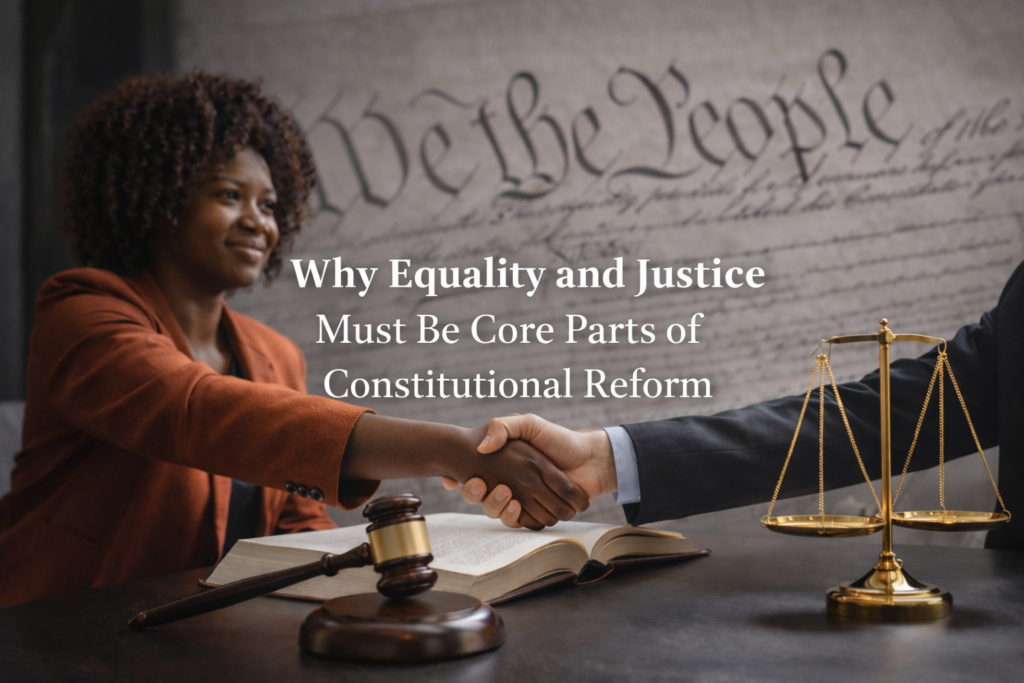
Introduction Constitutional reform is an ongoing process that requires deep reflection and careful action. For any society to function fairly and equitably, the protection of constitutional rights must be central to the system of governance. At the heart of these rights are equality and justice, the cornerstones of a democratic society. Without them, the very […]
How Ordinary People Have Fought Unjust Laws — Real Success Stories
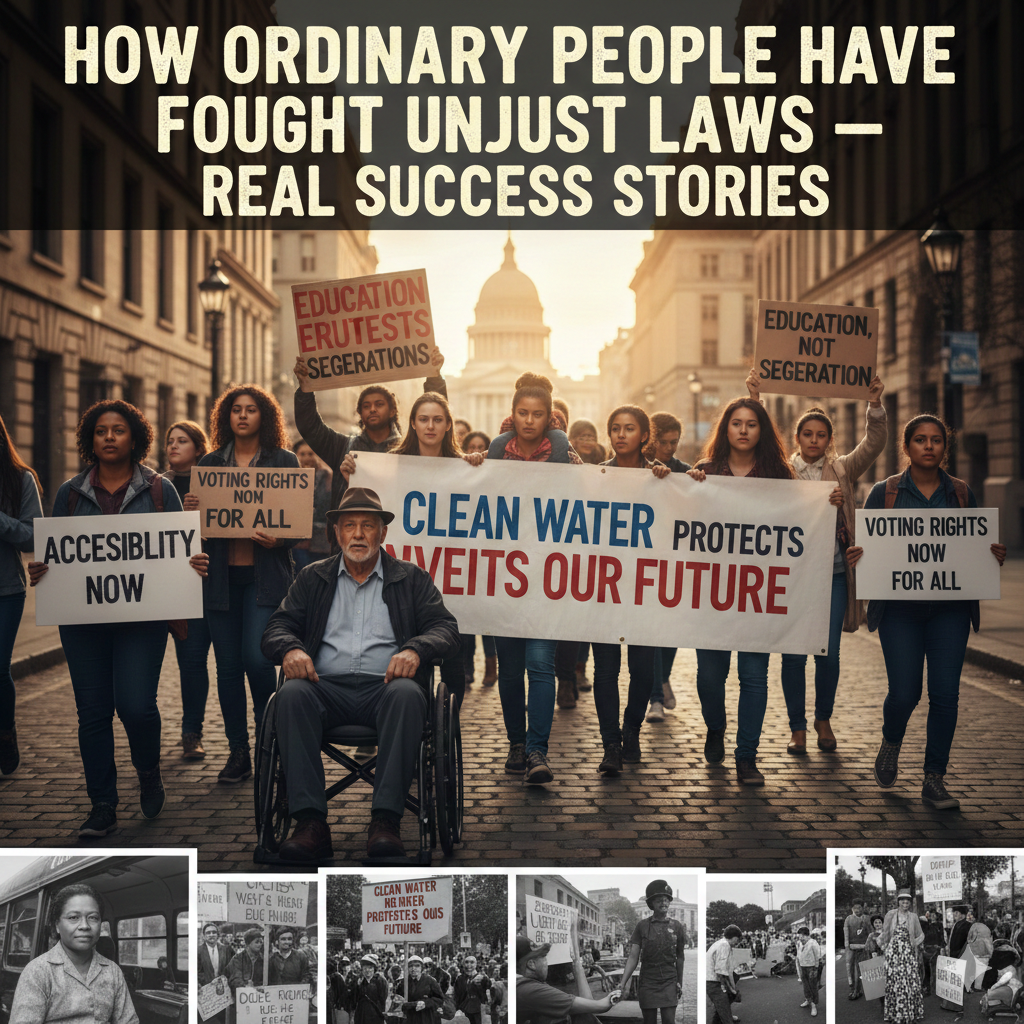
Introduction When faced with injustice written into the law, many people assume change is out of reach, that only politicians or court justices hold the power to overturn unjust rules. But history tells a different story. Across time and societies, ordinary people have risen up against unconstitutional laws, and in many cases, they’ve won. From […]
Why Local Action Creates National Change
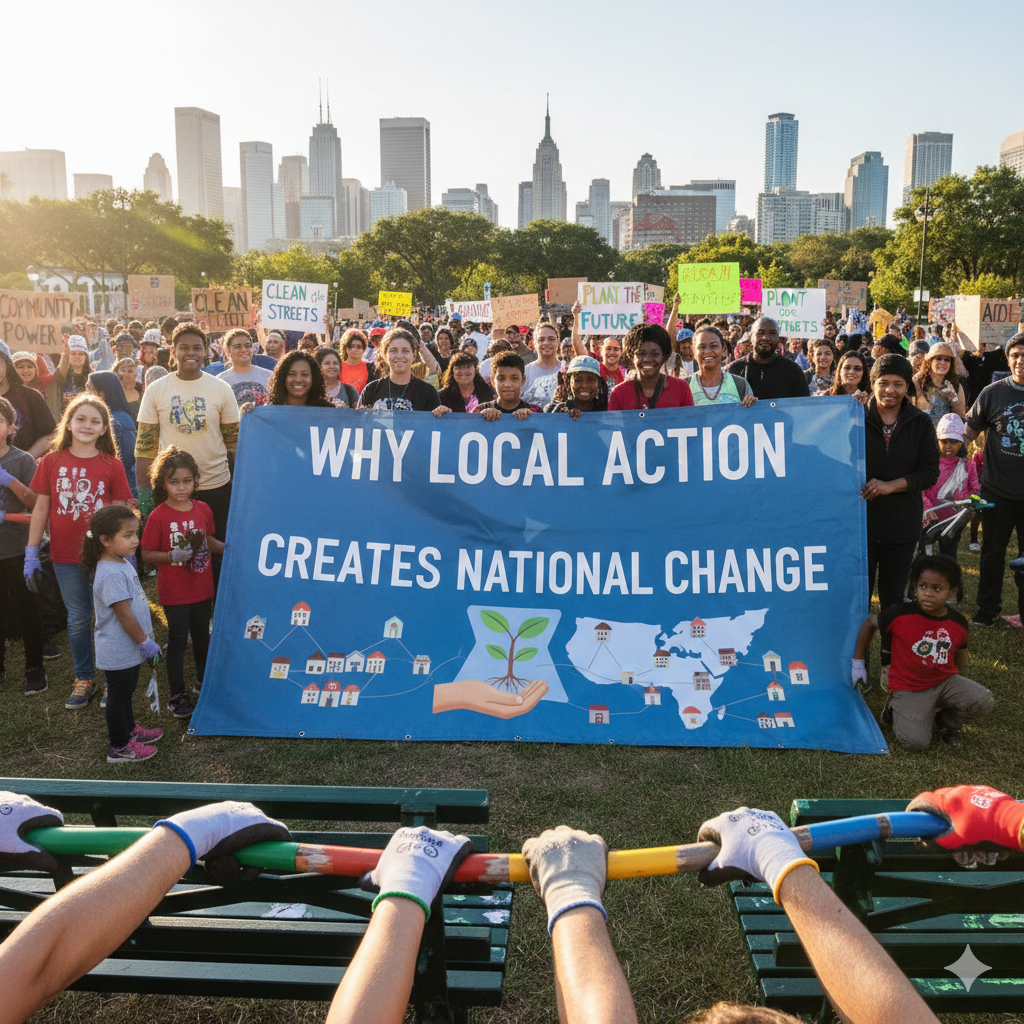
Introduction When we think of national change, sweeping reforms, constitutional amendments, or national debates on justice, we often imagine Congress, federal courts, or mass protests in Washington. But real change doesn’t always begin on Capitol Hill. More often than not, it begins far from the spotlight, in the form of local actions, concerned citizens coming […]
Political Accountability: Who Should Be Held Responsible?
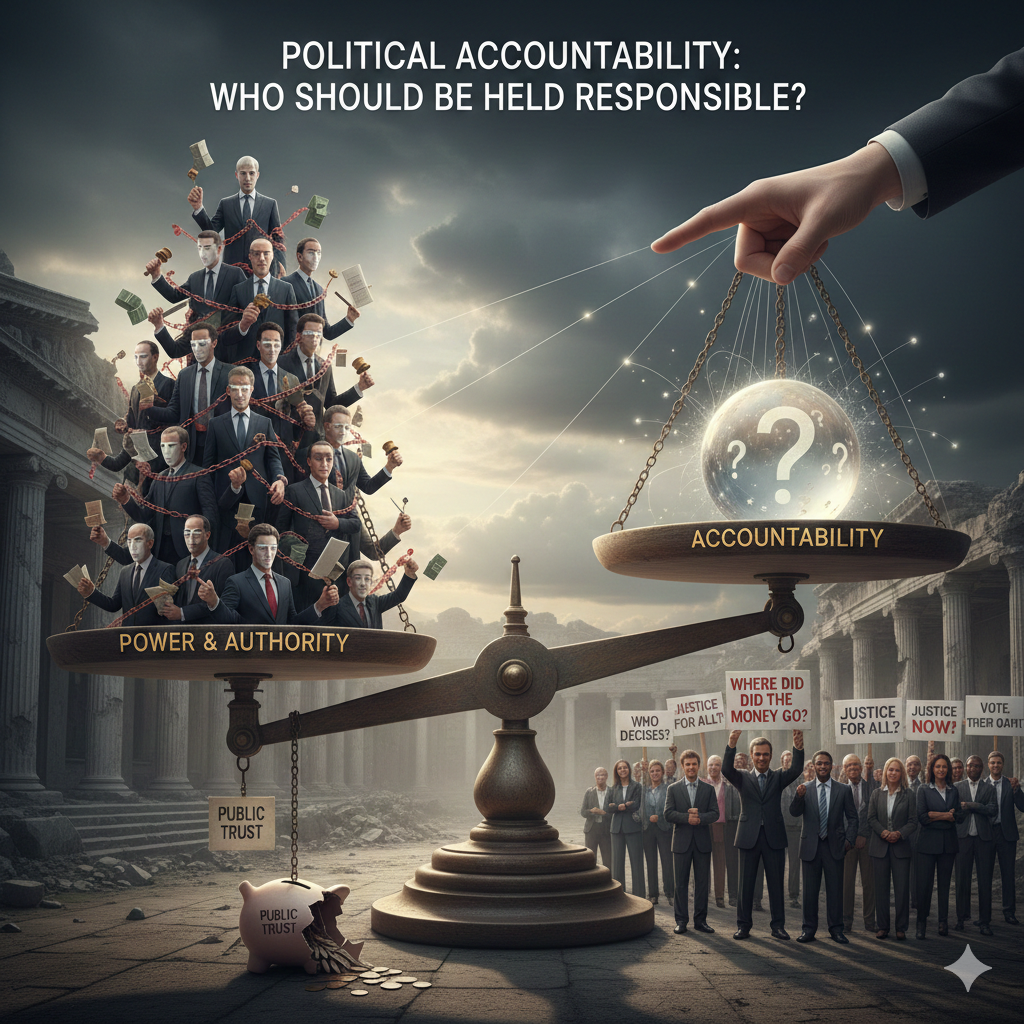
Introduction Accountability is a cornerstone of any functioning democracy. Whether we’re talking about elected leaders, civil servants, corporations, or grassroots organizations, political accountability ensures that power is checked, civil liberties are protected, and leaders act in the public interest. But in a world of complex systems and overlapping responsibilities, who should be held responsible when […]
The Power of Public Petitions in Fixing Broken Systems
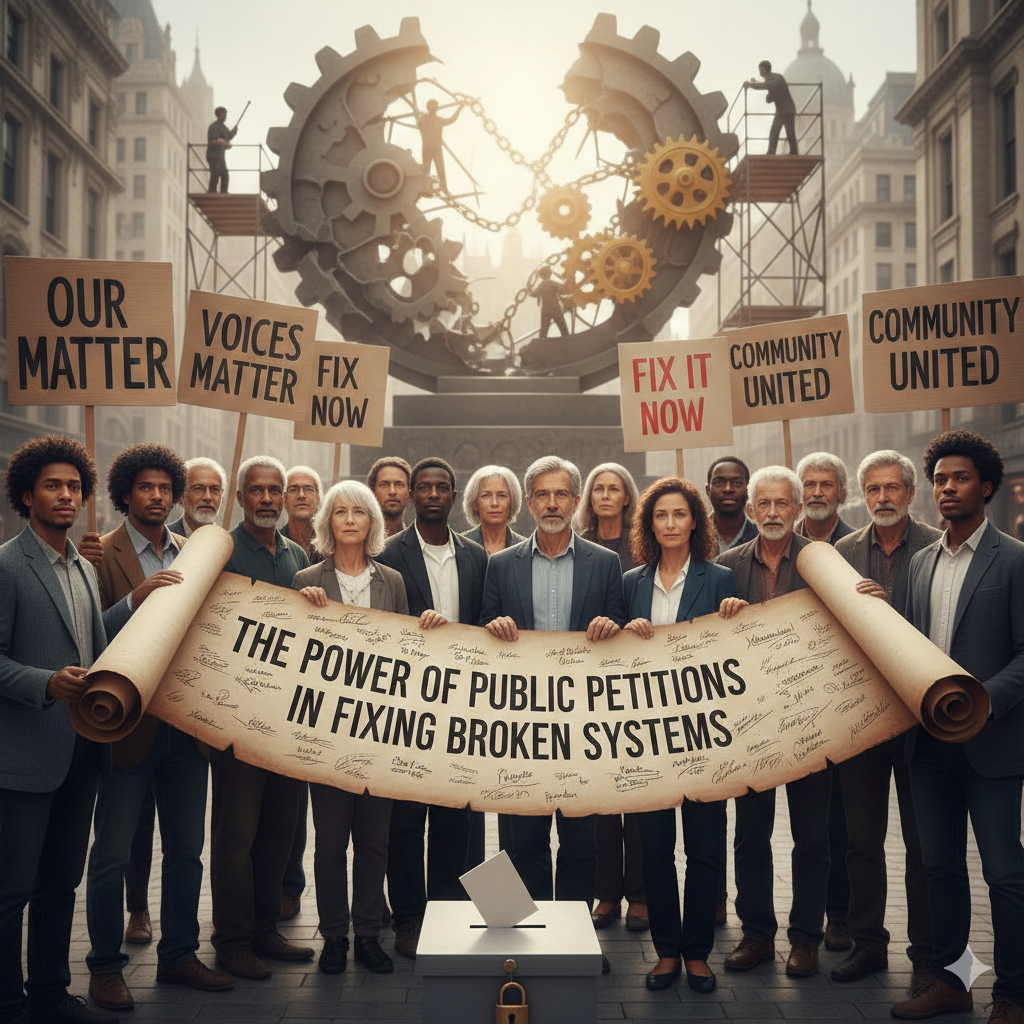
Introduction When a system fails the people it was designed to serve, whether that’s the justice system, healthcare, housing, or education, one clear tool remains in the hands of everyday citizens: the public petition. Petitions are far more than just pieces of paper or virtual signatures. When strategically deployed, they become rallying cries, moral contracts, […]
Community Organizing 101: How to Mobilize People for Reform
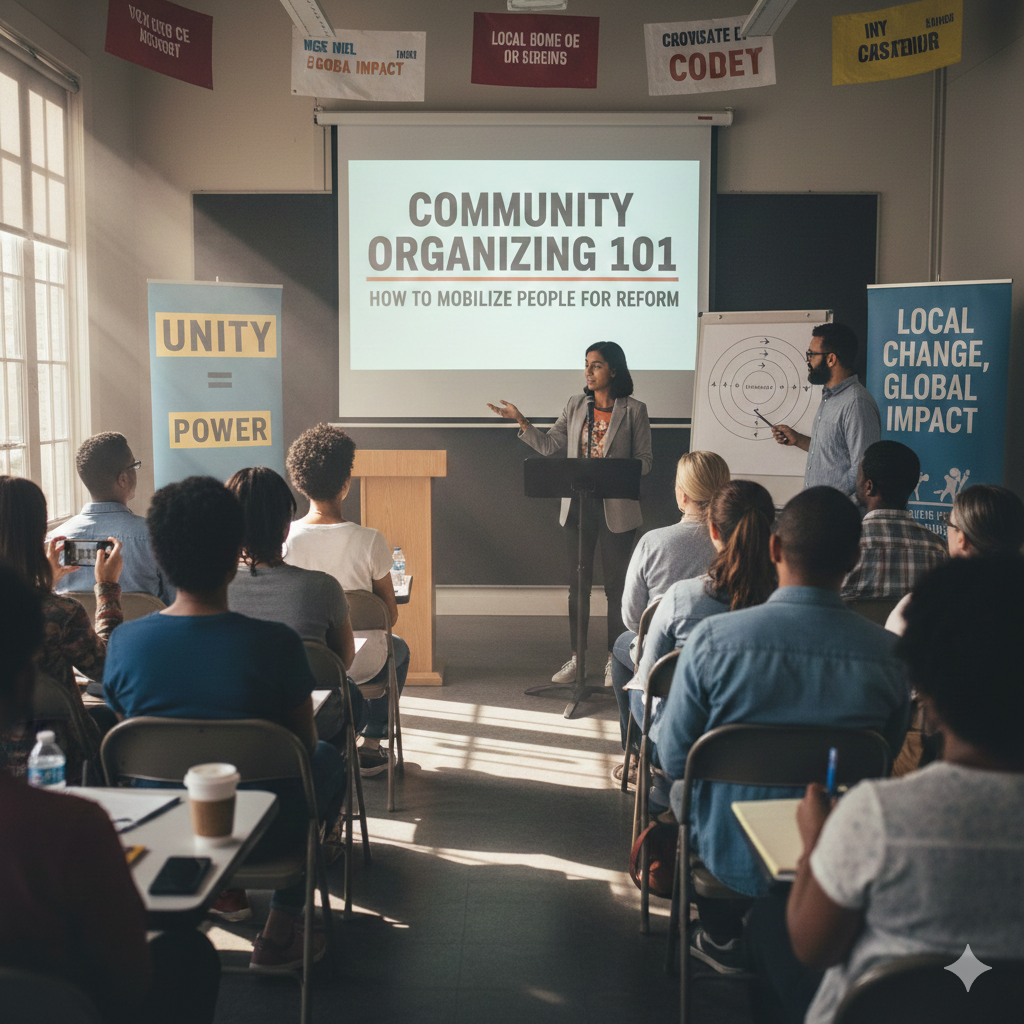
Introduction What does it take to spark change? Not just passionate individuals, but organized people. That’s the core of community organizing: turning frustration into action and ideas into policy. All major reform efforts, from civil rights to environmental justice to constitutional protections, have something in common: collective, well-planned, community-led activism. Whether you’re inspired to start […]
Why Some Laws Stay on the Books Even If They’re Unconstitutional
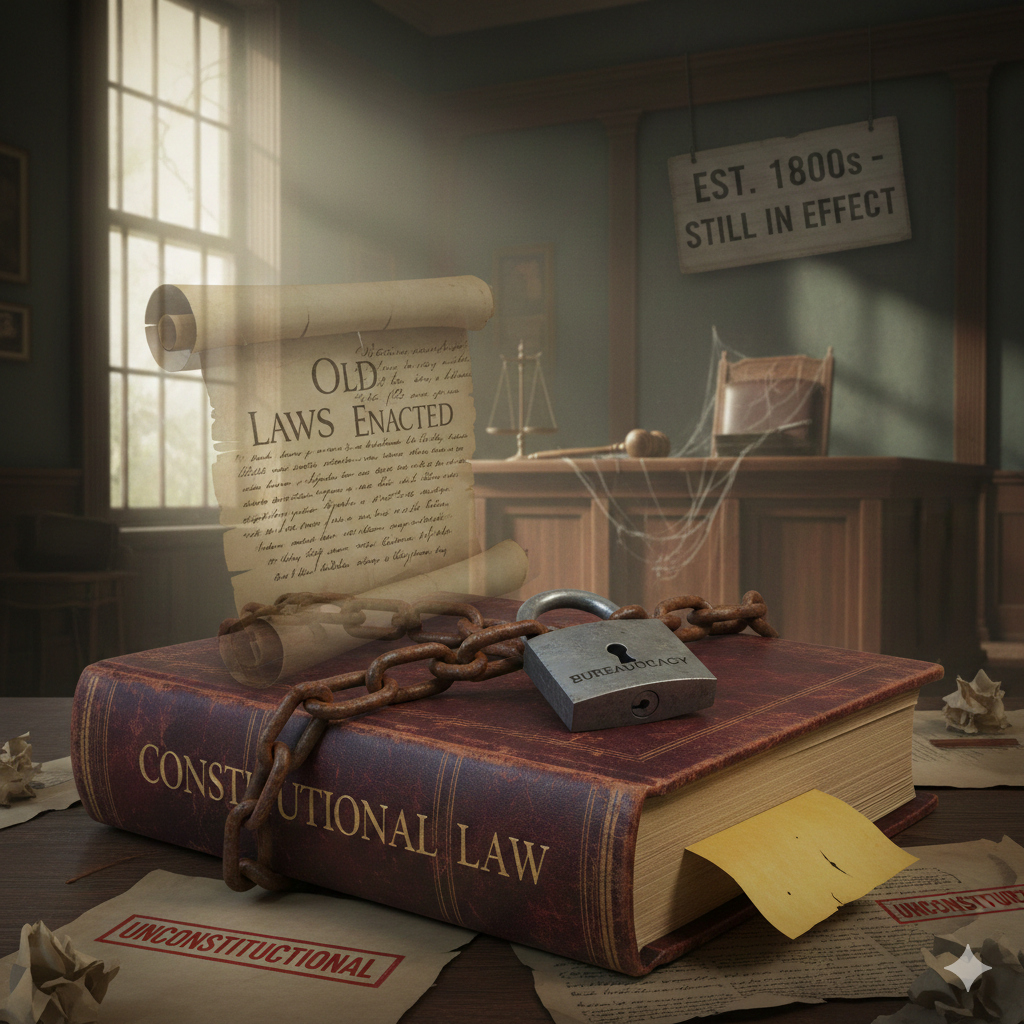
Introduction Have you ever wondered why certain laws remain enforceable even after courts declare them unconstitutional? It’s a puzzling aspect of our legal system that affects millions of people daily. When courts declare laws unconstitutional, you’d expect them to vanish immediately from the books. Yet the reality is far more complex. Many unconstitutional laws persist […]
How Education Can Reduce Constitutional Misunderstanding
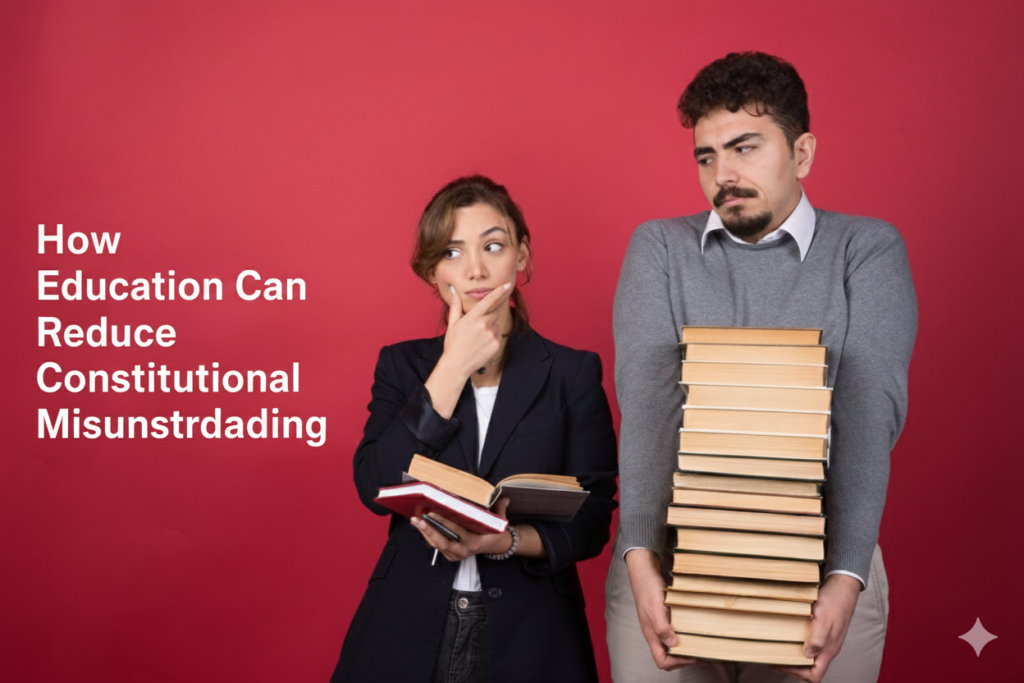
Introduction In recent years, national debates around immigration, voting, policing, and civil rights have exposed a troubling trend: widespread confusion about what the U.S. Constitution actually says, and what it doesn’t. As legal controversies and unconstitutional laws make headlines, many Americans find themselves asking basic questions: Is education in the Constitution? Do non-citizens have constitutional […]