How Section 1983 Allows Citizens to Sue Government Officials

Introduction The U.S. Constitution guarantees important rights and freedoms, but what happens when a government official violates those rights? One of the most powerful legal tools available is 42 U.S.C. § 1983, commonly known as Section 1983. This federal law allows individuals to seek justice when government officials violate their constitutional or federal statutory rights […]
Federal Court vs. State Court: Where Should a Constitutional Rights Claim Be Filed?

Introduction When someone believes their constitutional rights have been violated, one of the first questions they may ask is: Where should I file my case federal court or state court? The answer depends on several factors, including the type of claim, the parties involved, and the laws that apply. The U.S. legal system has two […]
What Evidence Is Needed in a Civil Rights Violation Case?

Introduction A civil rights violation case often depends on one important factor: evidence. While a person may believe their rights were violated, courts require proof that shows what happened, who was responsible, and how the violation affected them. Evidence helps transform a personal experience into a legal argument. Without strong evidence, even a valid claim […]
How to Prove a Government Official Violated Your Constitutional Rights

Introduction The U.S. Constitution protects individuals from unfair government actions. But what happens when a government official violates those protections? Many people know they have constitutional rights, but proving that those rights were violated can be challenging. A successful claim usually requires more than believing something unfair happened. It requires evidence showing what the official […]
Yick Wo v. Hopkins: When Neutral Laws Are Enforced Unequally
Introduction Yick Wo v. Hopkins is a landmark Supreme Court case that helped define what equal protection truly means under the Fourteenth Amendment. The case involved a situation where a law appeared neutral on the surface but was enforced in a way that unfairly targeted a specific group of people. But can a law be […]
Gideon v. Wainwright: Due Process and the Right to Legal Counsel

Introduction Gideon v. Wainwright is one of the most important Supreme Court decisions involving the right to a fair trial. The case changed the American legal system by ensuring that people who cannot afford an attorney still have access to legal representation. Before this decision, many people facing serious criminal charges had to defend themselves […]
Loving v. Virginia: Equal Protection and the Right to Marry
Introduction Loving v. Virginia is one of the most important Supreme Court decisions involving equality, marriage, and constitutional rights. The case changed American law by striking down state laws that banned interracial marriage. For many years, some states made it illegal for people of different races to marry. These laws prevented couples from choosing their […]
Brown v. Board of Education: How the 14th Amendment Ended Legal Segregation
Introduction Brown v. Board of Education is one of the most important Supreme Court decisions in American history. The case changed the education system and became a major turning point in the fight for civil rights. Before this decision, many public schools in the United States were legally separated by race. Black children and white […]
The Equal Protection Clause: When Government Treatment Becomes Unconstitutional
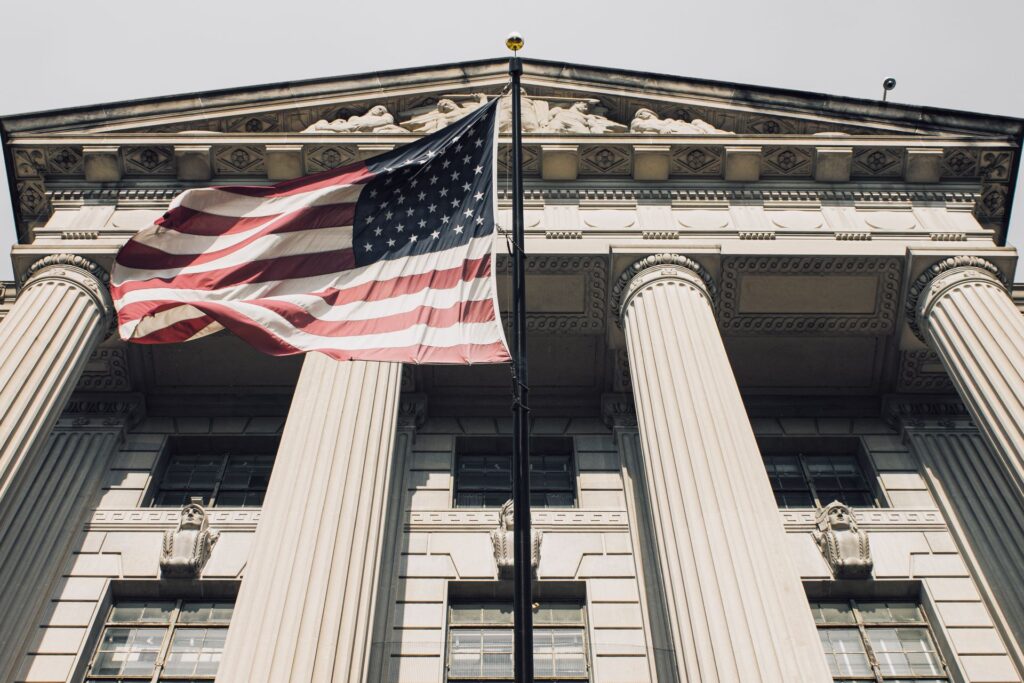
Introduction The Equal Protection Clause is one of the most important protections in the U.S. Constitution. It ensures that the government cannot treat people unfairly or discriminate against them without a valid legal reason. But what does equal protection actually mean? Does it mean everyone must always be treated exactly the same? Not necessarily. The […]
The Due Process Clause: How It Protects Life, Liberty, and Property

Introduction The Due Process Clause is one of the most important protections found in the U.S. Constitution. It ensures that the government cannot take away a person’s life, freedom, or property without following fair legal procedures. But what does due process really mean? Why does it matter to ordinary people? Imagine a game where the […]