Procedural vs. Substantive Due Process: What You Need to Know
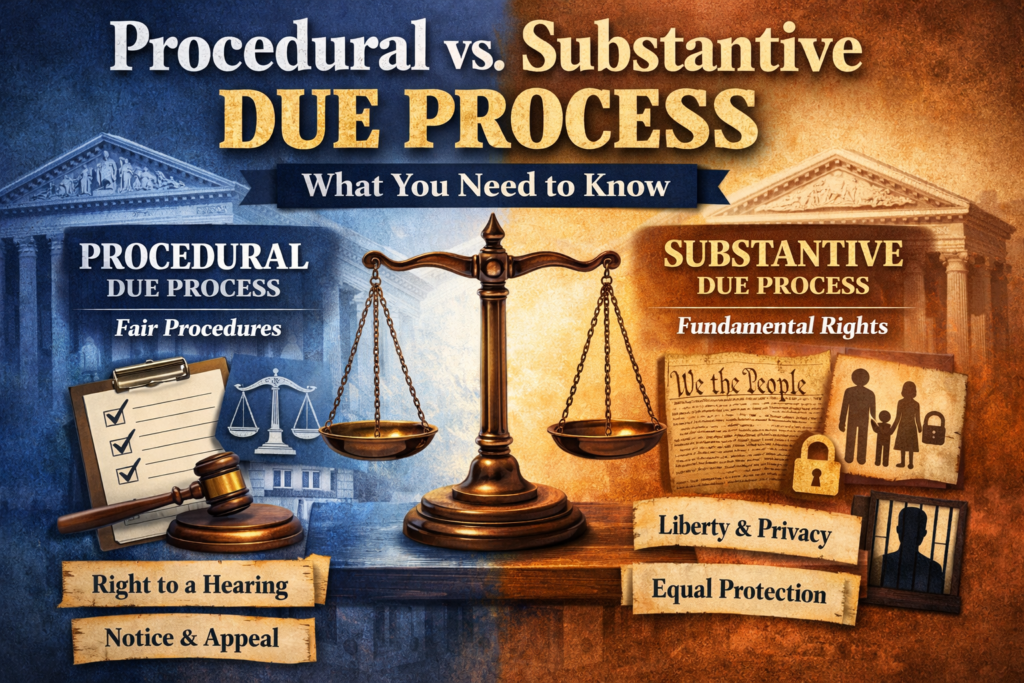
Introduction The concept of due process is a foundational element of the U.S. legal system, embedded in both the Fifth and Fourteenth Amendments of the Constitution. However, the term actually refers to two distinct but interconnected doctrines: Procedural and Substantive Due Process. Together, they safeguard constitutional rights, guide fair governance, and are central to movements […]
Foundational Principles of the U.S. Constitution Explained
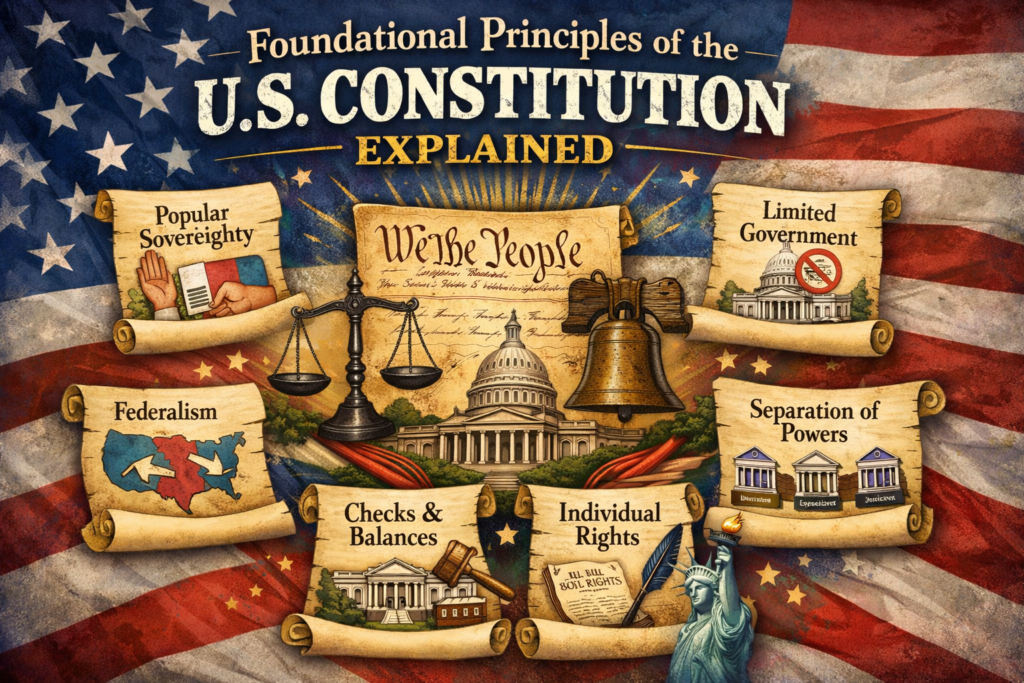
Introduction The United States Constitution is more than just a historical document, it’s the living foundation of American democracy. Rooted in the ideals of liberty, justice, and equal protection, the Constitution outlines a powerful framework for governance and sets forth the constitutional rights that every citizen is entitled to. These principles guide not only how […]
Life, Liberty, Property, and the Pursuit of Happiness Explained
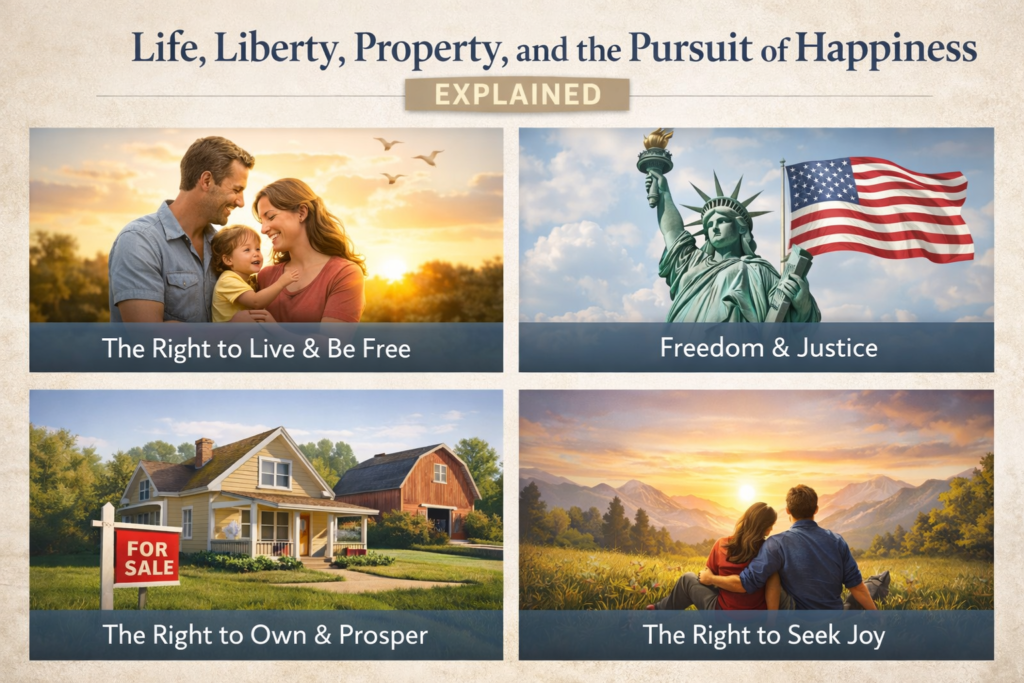
Introduction When the Founding Fathers expressed the ideals of “life, liberty, and the pursuit of happiness,” they were laying the foundation for American democracy. These principles evolved into legal protections, such as constitutional rights, that shape our civil society today. While lofty in language, these ideas are deeply rooted in the real-life struggles for due […]
Landmark Supreme Court Cases Shaping Constitutional Rights
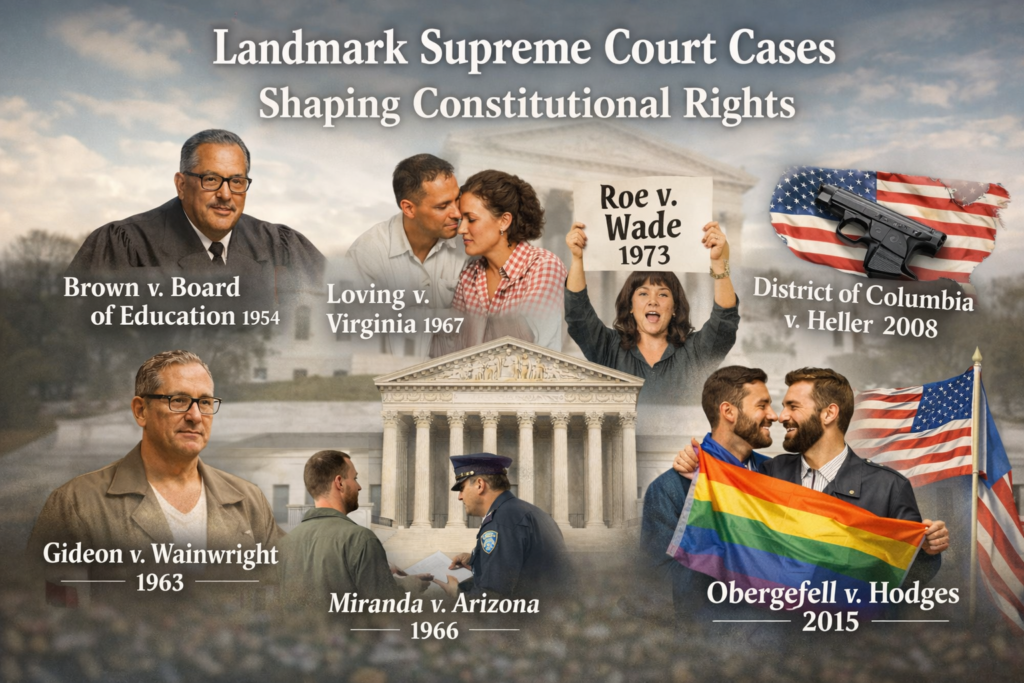
Introduction The Supreme Court of the United States has consistently shaped the nation’s legal landscape, ensuring that constitutional rights are protected and that laws align with the principles of justice, equality, and due process. From early foundational cases to modern rulings, the Court has interpreted the Constitution in ways that impact every level of government […]
Supremacy Clause: Federal Law, Treaties, and State Authority
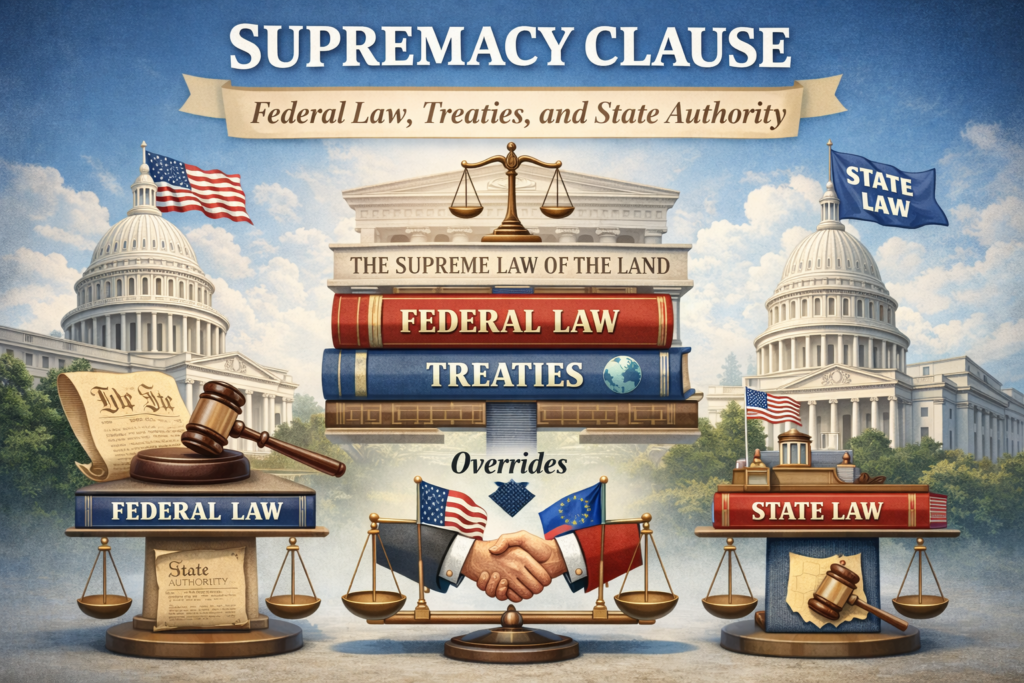
Introduction The Supremacy Clause is a cornerstone of the United States Constitution, establishing that federal law and treaties take precedence over conflicting state laws. This principle ensures a unified legal system but can also raise questions about the balance between state authority and federal power. Understanding the Supremacy Clause is essential for protecting constitutional rights, […]
Constitutional Limits, Grants, and Restrictions on Government Power
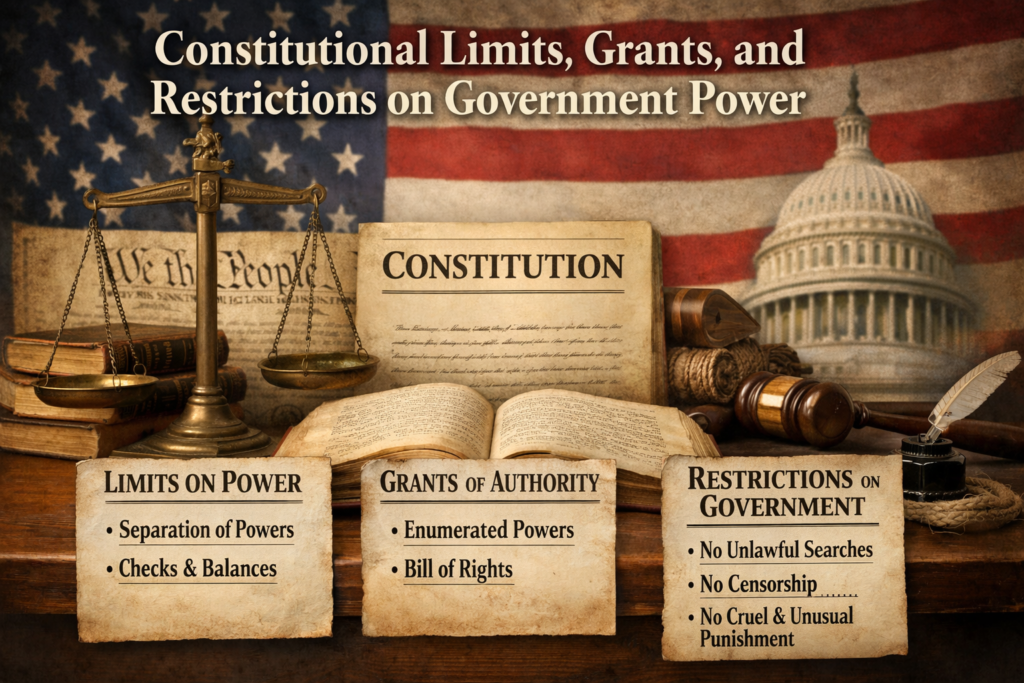
Introduction The central idea behind a constitution is simple: limit government power while protecting individual rights. But the way this plays out, through specific grants, defined limits, and enforceable restrictions, is both complex and crucial for a functioning democracy. Whether we’re talking about the U.S. Constitution or another nation’s governing document, the same principle holds: […]
Authorized vs. Discretionary Government Powers Explained
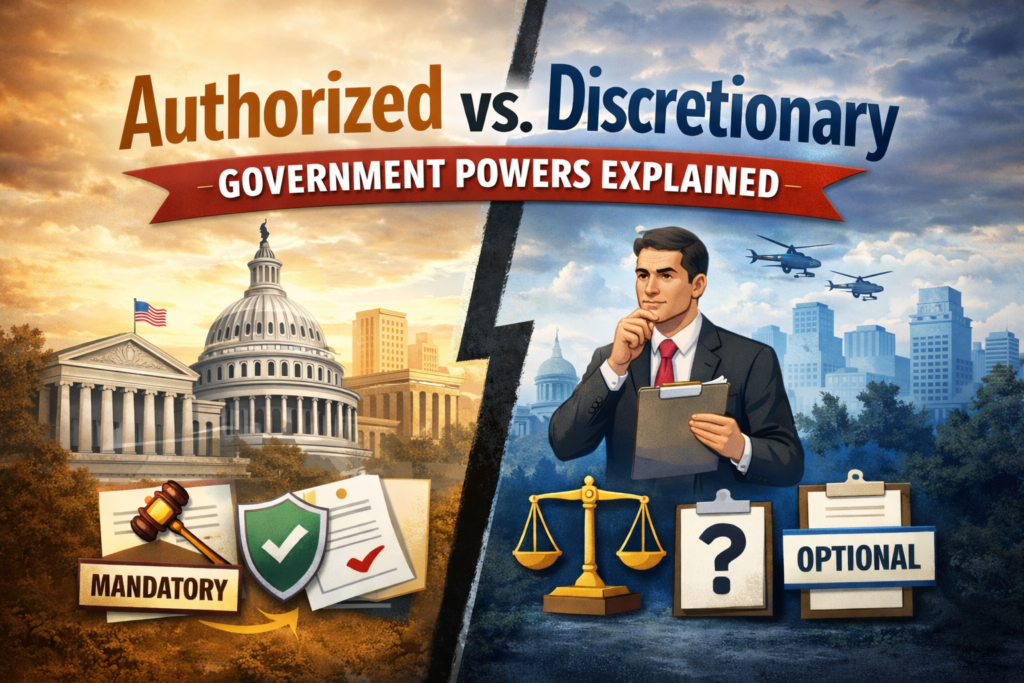
Introduction Governments operate through a delicate balance of clearly defined authority and flexible decision-making. This balance is often described as authorized versus discretionary government powers. Constitutions or laws explicitly grant authorized powers, whereas discretionary powers allow government officials to interpret and apply the law in situations not specifically outlined. While both are necessary for effective […]
Constitutional Voids: When Laws Conflict With the Constitution
Introduction In democratic societies governed by written constitutions, law is supposed to be the ultimate protector of liberty and equality. But what happens when laws themselves conflict with the Constitution? The result is a constitutional void, a scenario where legislation, regulations, or government actions deviate from the nation’s highest legal authority, leaving citizens vulnerable to […]
Title 18 USC §246: Civil Rights Offenses and Enforcement
Introduction In a democracy founded on principles like fairness, equality, and the protection of civil liberties, protecting individual rights isn’t just a moral duty; it’s a legal one. That’s where federal laws like Title 18 USC §246 come in. Though less frequently cited than other civil rights statutes, §246 plays a vital role in the […]
Title 18 USC §242: Deprivation of Rights Under Color of Law
Introduction In a society built on justice, equality, and the rule of law, what mechanisms exist when agents of the state, such as police officers, judges, or other public officials, abuse their power? Title 18 USC §242 exists to answer that question with action. It criminalizes the deprivation of rights under color of law, offering […]