Black Americans Summits
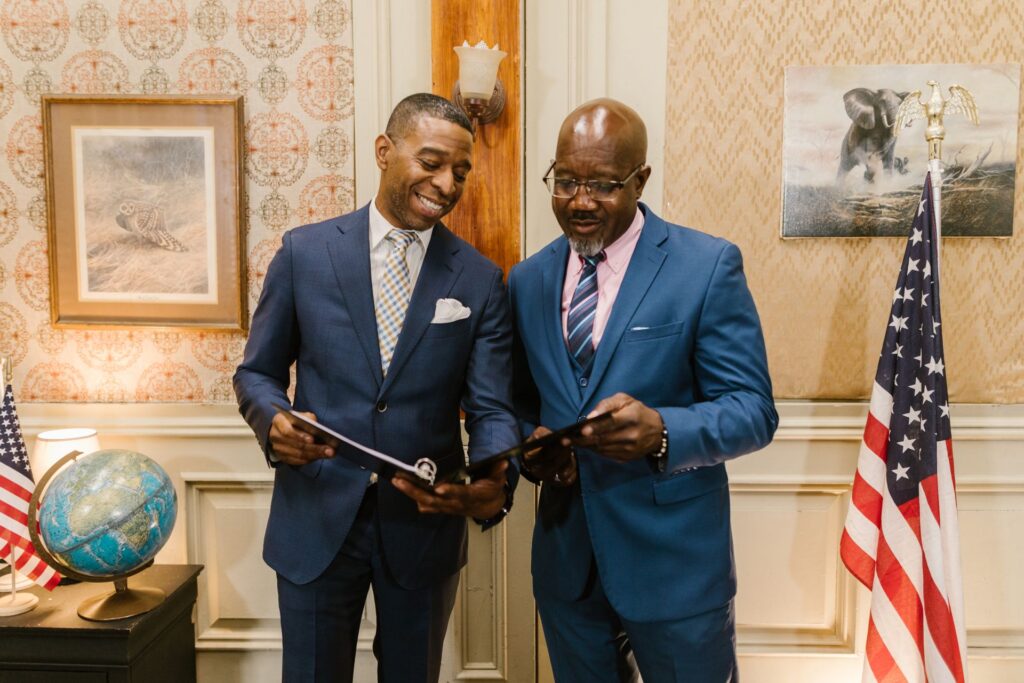
People’s Convention for Justice and Equality Announces Black Leadership Summits People’s Convention for Justice and Equality is organizing Black Leadership Summits that bring together churches, nonprofit organizations, civil rights professionals, podcasters, businesses, and community partners committed to justice, civic participation, and constitutional accountability. These summits will create opportunities for leaders and community members to come […]
Protecting Life, Liberty, and Property: The Constitutional Rights Every Citizen Should Understand
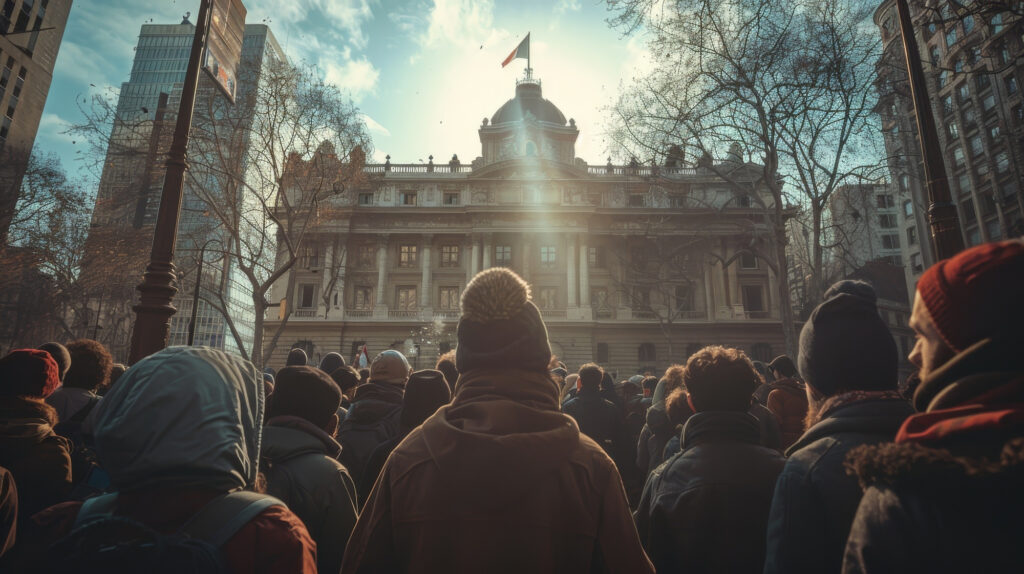
Introduction The United States Constitution was created to protect individual freedom and establish limits on government power. Among the most important protections recognized by the Constitution are the rights to life, liberty, and property. These rights represent the foundation of personal freedom in American society. They ensure that government authorities cannot take away essential freedoms […]
Constitutional Claims Explained: How Citizens Seek Justice Through the Courts
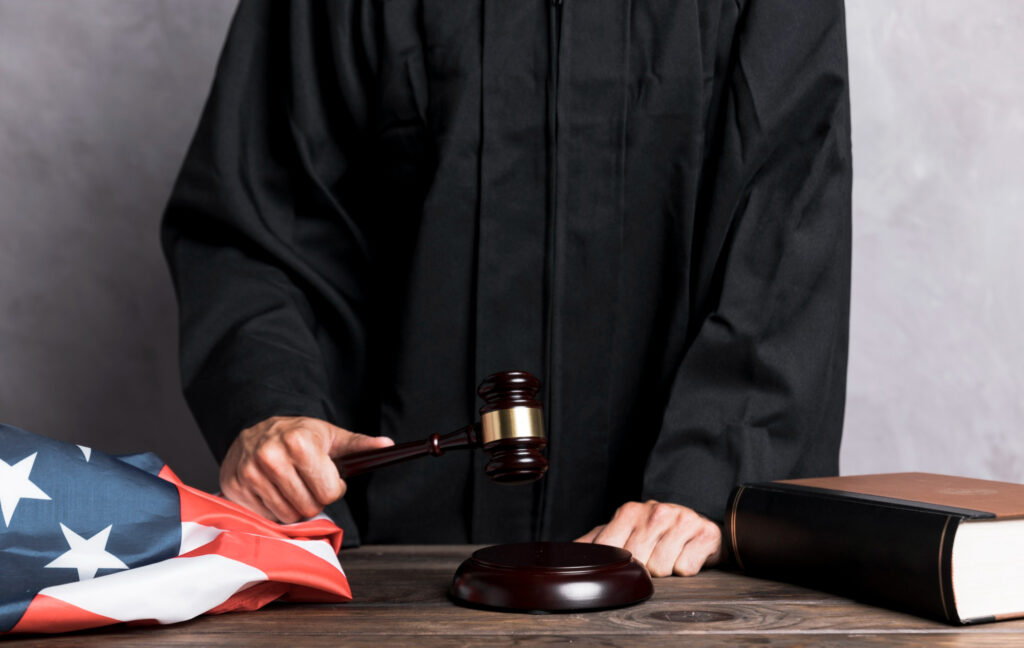
Introduction The United States Constitution protects individuals from government actions that violate fundamental freedoms and legal protections. However, constitutional rights are only effective when individuals have a way to enforce them. When a person believes that a government official, agency, or law has violated their constitutional rights, they may be able to bring a constitutional […]
How State Laws Must Follow the U.S. Constitution: Understanding Federal Limits
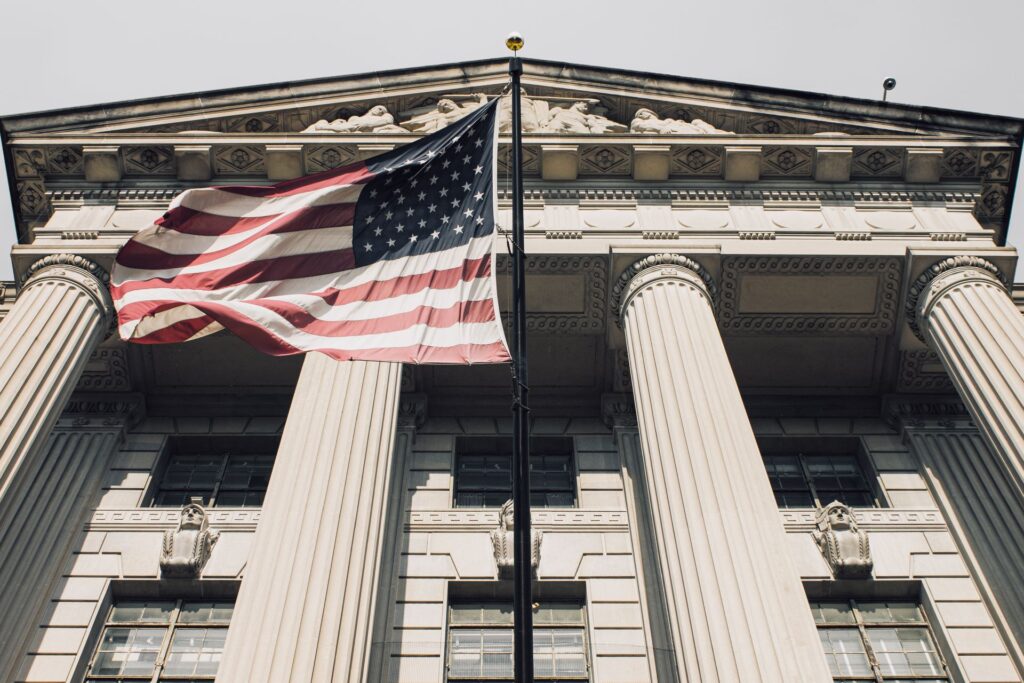
Introduction The United States operates under a system of government where power is divided between the federal government and state governments. This structure, known as federalism, allows states to create their own laws while also requiring them to follow the authority and protections established by the U.S. Constitution. Although states have significant power to govern […]
The Role of Courts in Protecting Americans From Unconstitutional Actions
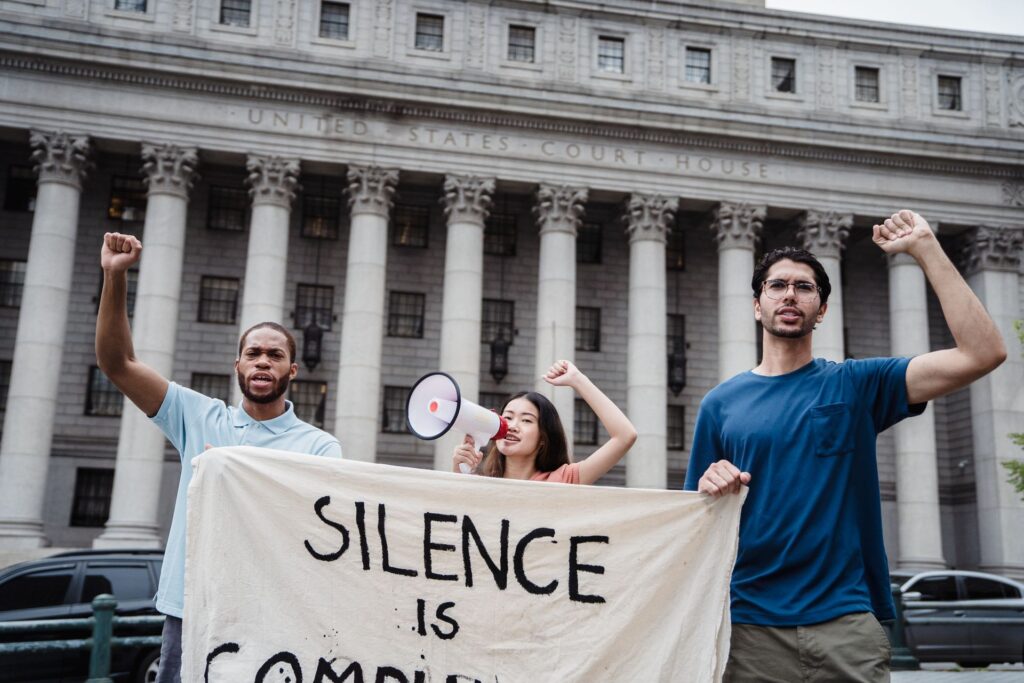
Introduction The United States Constitution establishes a system of government built on fairness, accountability, and protection of individual freedoms. While government officials and agencies have the authority to create and enforce laws, their power is not unlimited. One of the most important protections against government overreach is the role of the judicial system. Courts serve […]
Can a Government Agency Violate Your Constitutional Rights? What Citizens Should Know

Introduction Government agencies exist to serve the public, enforce laws, and provide essential services. From local departments and state offices to federal agencies, these institutions have significant responsibilities that affect millions of people every day. However, government authority is not unlimited. The United States Constitution places clear boundaries on what government agencies can and cannot […]
Civil Rights Enforcement: How Federal Laws Protect Constitutional Freedoms
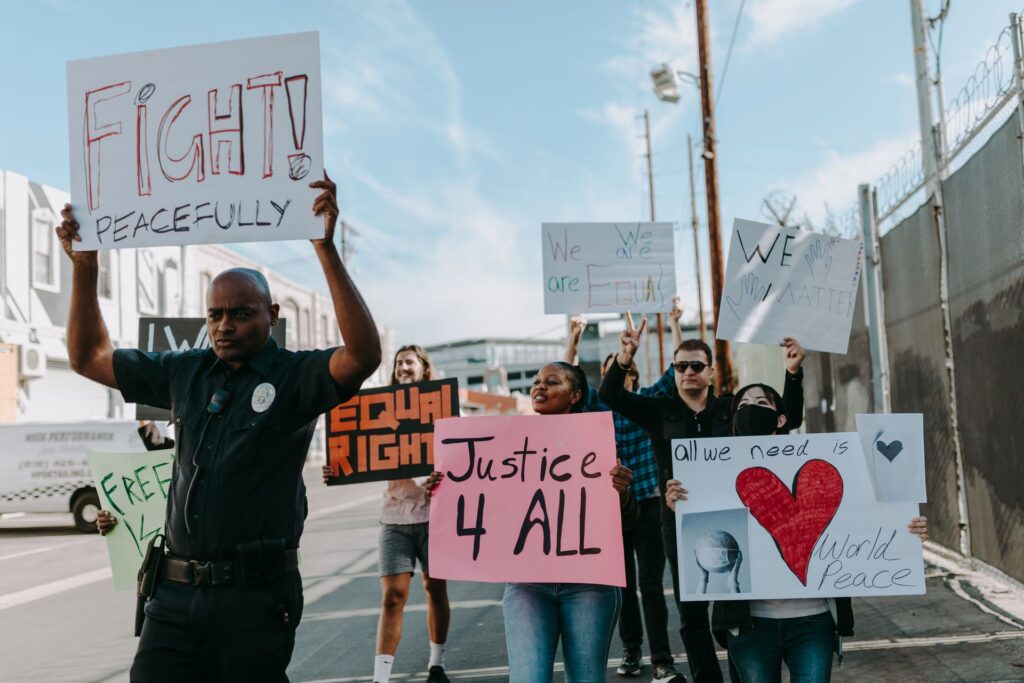
Introduction The United States Constitution establishes fundamental freedoms and protections for individuals, but constitutional rights alone are not enough without effective enforcement. Civil rights laws provide the legal framework that helps ensure people can exercise their freedoms without facing discrimination, unfair treatment, or government abuse. Civil rights enforcement is the process through which federal agencies, […]
Mapp v. Ohio: How the Fourth Amendment Protects Against Illegal Searches

Introduction The United States Constitution protects individuals from government overreach and ensures that law enforcement agencies respect personal freedoms while enforcing the law. One of the most important protections involving privacy and government authority is found in the Fourth Amendment. The Fourth Amendment protects people from unreasonable searches and seizures by government officials. However, for […]
Miranda v. Arizona: Protecting Constitutional Rights During Arrests
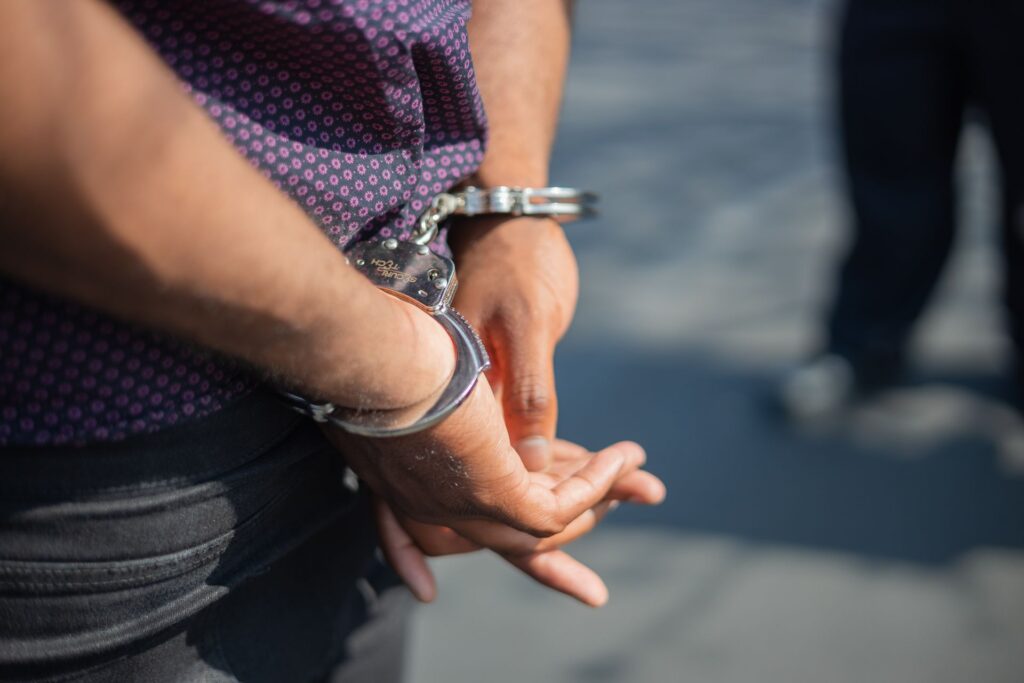
Introduction When individuals interact with law enforcement, the Constitution provides important protections to ensure that their rights are respected. One of the most recognized protections in American criminal law comes from the Supreme Court case Miranda v. Arizona (1966). This landmark decision established the requirement that law enforcement officers must inform individuals of certain constitutional […]
Marbury v. Madison: The Case That Established Judicial Review
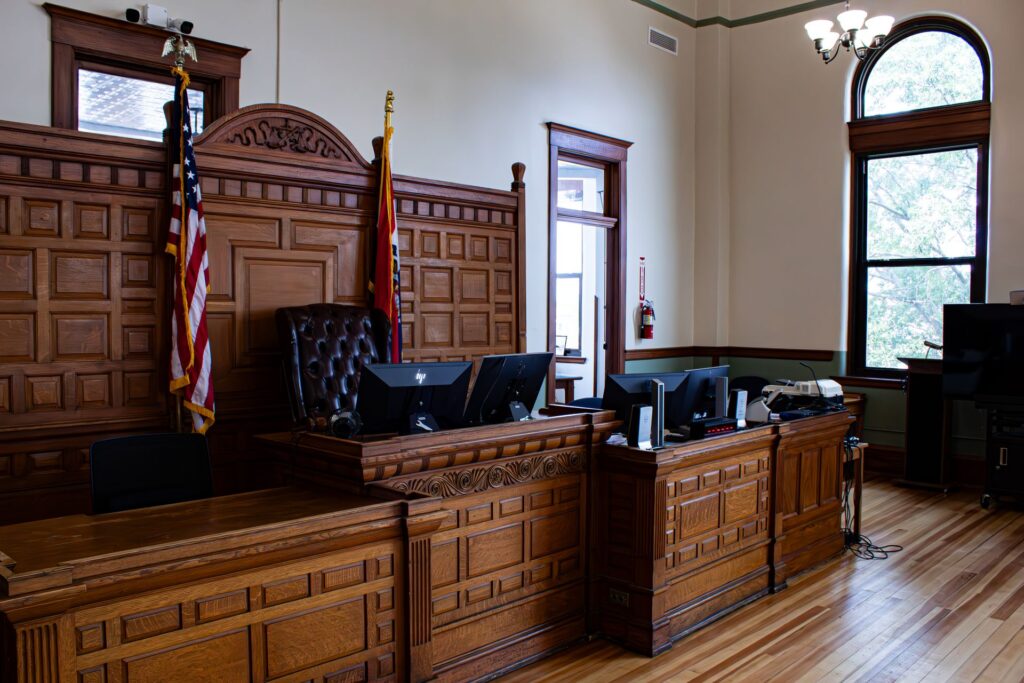
Introduction The United States Constitution created a system of government based on balance, accountability, and limits on power. While the Constitution defines the responsibilities of government branches, one important question remained during the early years of the nation: Who has the authority to decide whether a law or government action violates the Constitution? The answer […]