Constitutional Limits, Grants, and Restrictions on Government Power
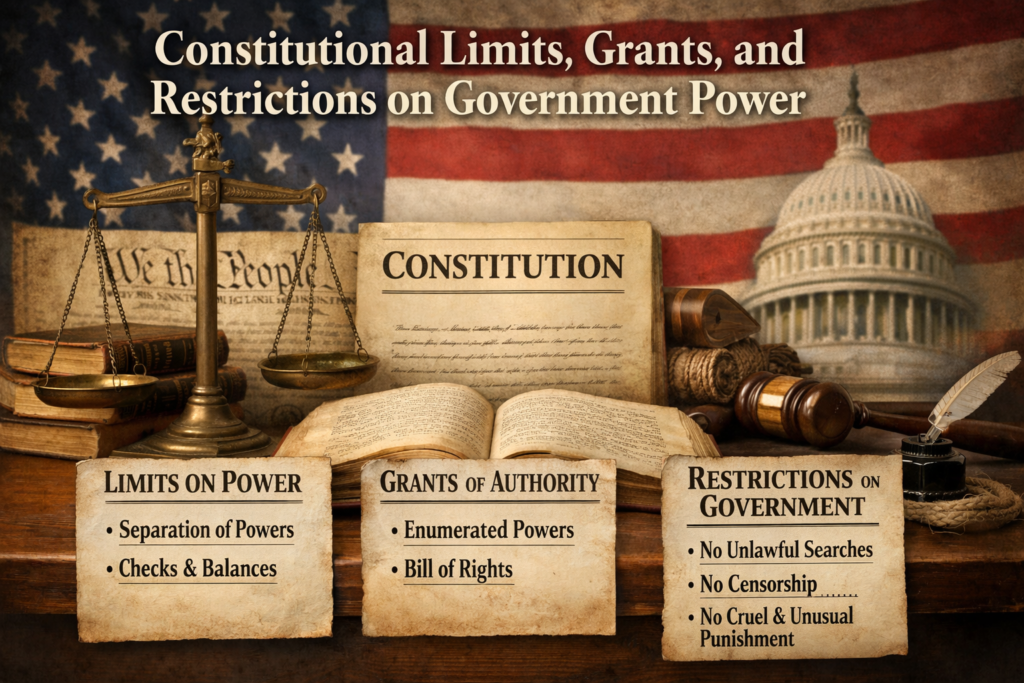
Introduction The central idea behind a constitution is simple: limit government power while protecting individual rights. But the way this plays out, through specific grants, defined limits, and enforceable restrictions, is both complex and crucial for a functioning democracy. Whether we’re talking about the U.S. Constitution or another nation’s governing document, the same principle holds: […]
Authorized vs. Discretionary Government Powers Explained
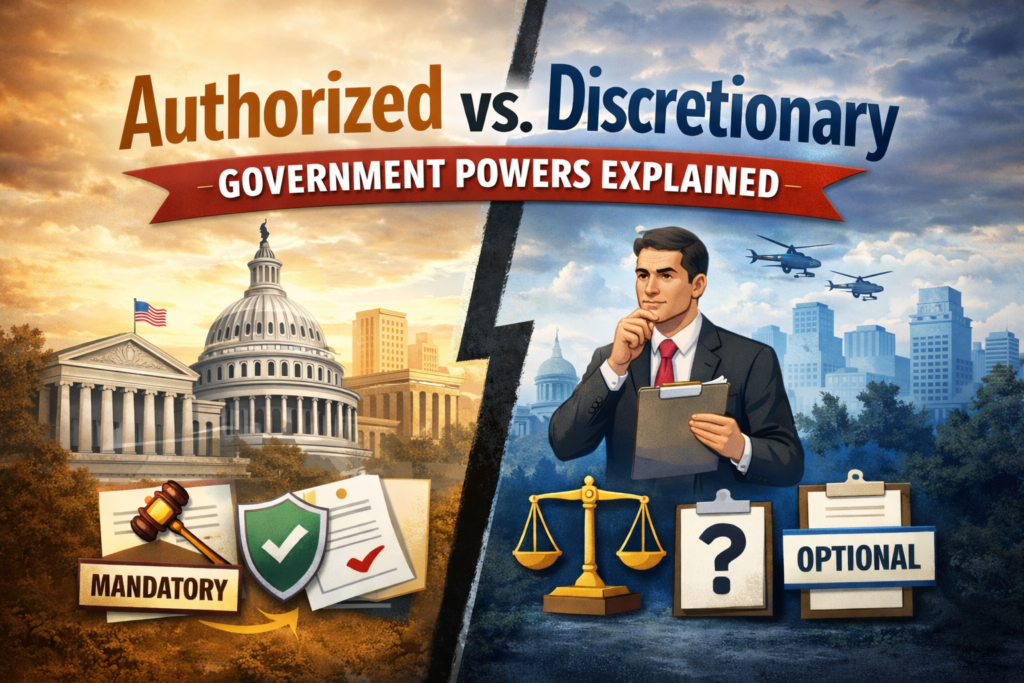
Introduction Governments operate through a delicate balance of clearly defined authority and flexible decision-making. This balance is often described as authorized versus discretionary government powers. Constitutions or laws explicitly grant authorized powers, whereas discretionary powers allow government officials to interpret and apply the law in situations not specifically outlined. While both are necessary for effective […]
Constitutional Voids: When Laws Conflict With the Constitution
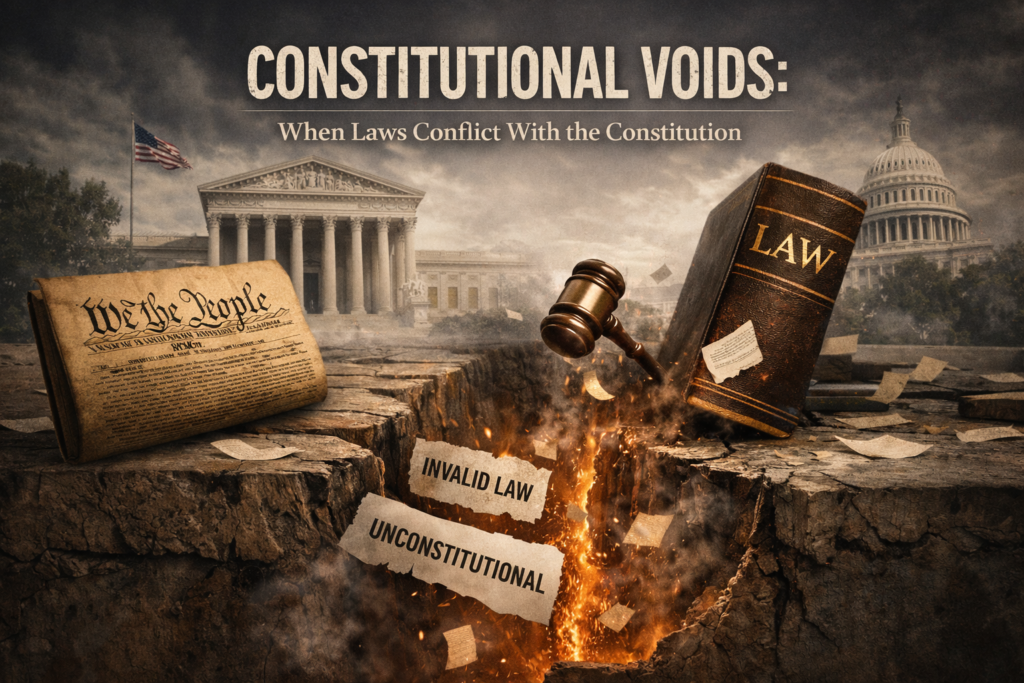
Introduction In democratic societies governed by written constitutions, law is supposed to be the ultimate protector of liberty and equality. But what happens when laws themselves conflict with the Constitution? The result is a constitutional void, a scenario where legislation, regulations, or government actions deviate from the nation’s highest legal authority, leaving citizens vulnerable to […]
Title 18 USC §246: Civil Rights Offenses and Enforcement
Introduction In a democracy founded on principles like fairness, equality, and the protection of civil liberties, protecting individual rights isn’t just a moral duty; it’s a legal one. That’s where federal laws like Title 18 USC §246 come in. Though less frequently cited than other civil rights statutes, §246 plays a vital role in the […]
Title 18 USC §242: Deprivation of Rights Under Color of Law
Introduction In a society built on justice, equality, and the rule of law, what mechanisms exist when agents of the state, such as police officers, judges, or other public officials, abuse their power? Title 18 USC §242 exists to answer that question with action. It criminalizes the deprivation of rights under color of law, offering […]
Title 18 USC §241: Conspiracy Against Rights Explained
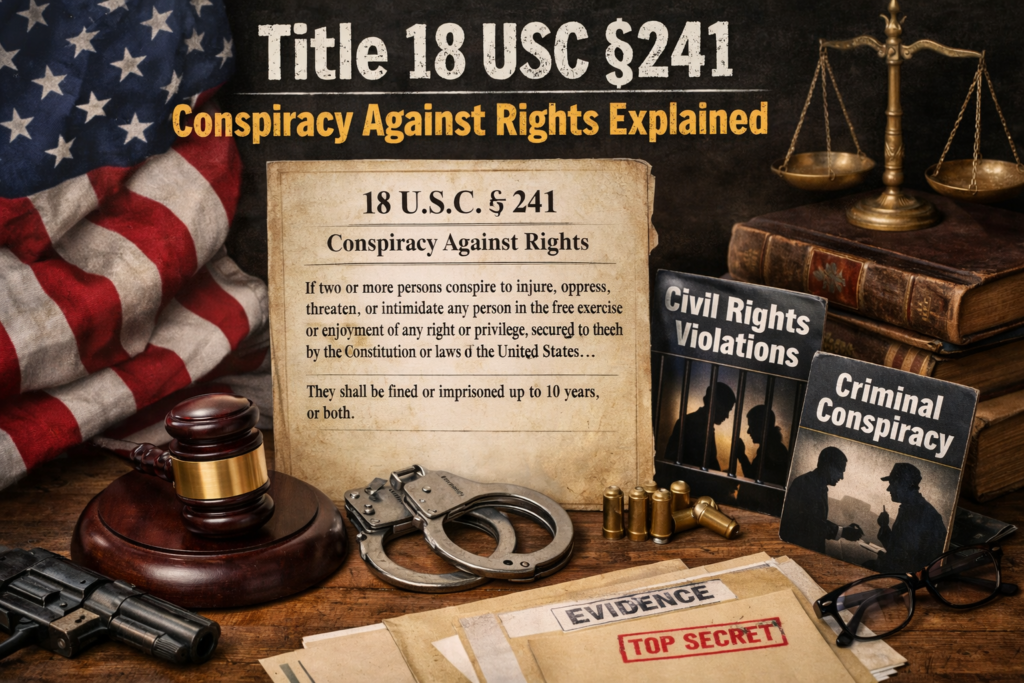
Introduction In a democracy founded on the values of liberty, equal protection, and due process, there must be legal safeguards against government and private actors violating those very guarantees. Title 18 USC §241, a federal law in the United States, stands as one such critical protection. But what exactly does it mean, and why is […]
Judicial Review: How Courts Enforce Constitutional Limits
Introduction Our modern democracies rely heavily on the rule of law, and at the heart of that principle is judicial review. One of the most powerful tools a court system has, judicial review serves as a constitutional compass, guiding law-making and executive powers back to their constitutional course when they veer off. But what exactly […]
Due Process and Equal Protection Under the Constitution
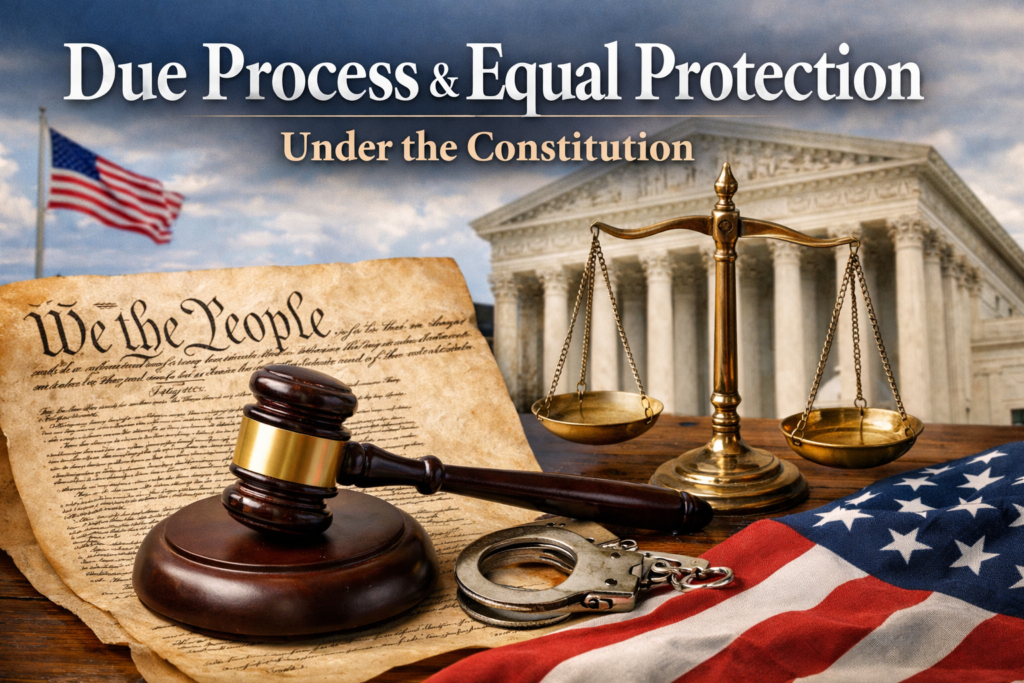
Introduction The U.S. Constitution outlines powerful legal protections meant to guarantee fairness, equality, and justice. Two of the most critical principles embodied in this document are due process and equal protection. While these terms may sound abstract, they play a deeply personal role in every citizen’s life, ensuring that laws are applied fairly and that […]
Statutes vs. Precedent: Common Law and Statutory Law Explained
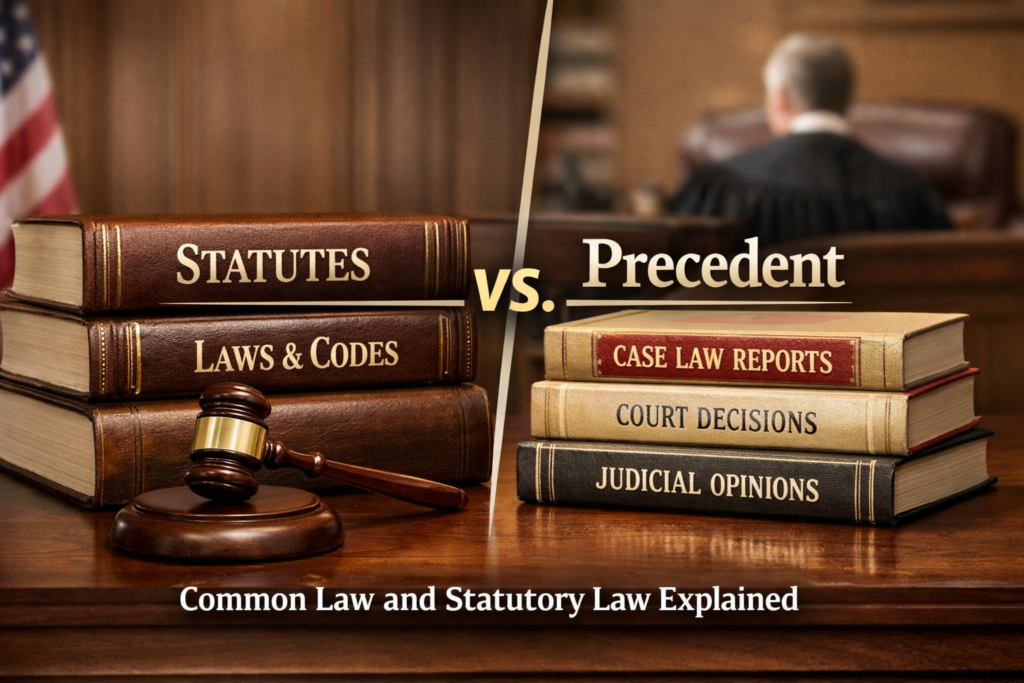
Introduction In American law, there are two dominant sources of legal rules: statutory law and common law, often referred to by its reliance on precedent. To understand how these legal frameworks work, and how they protect or sometimes challenge constitutional rights, it’s essential to explore their definitions, roles, and real-world impact. Today’s complex legal system […]
Understanding Articles, Amendments, Sections, and Clauses of the U.S. Constitution
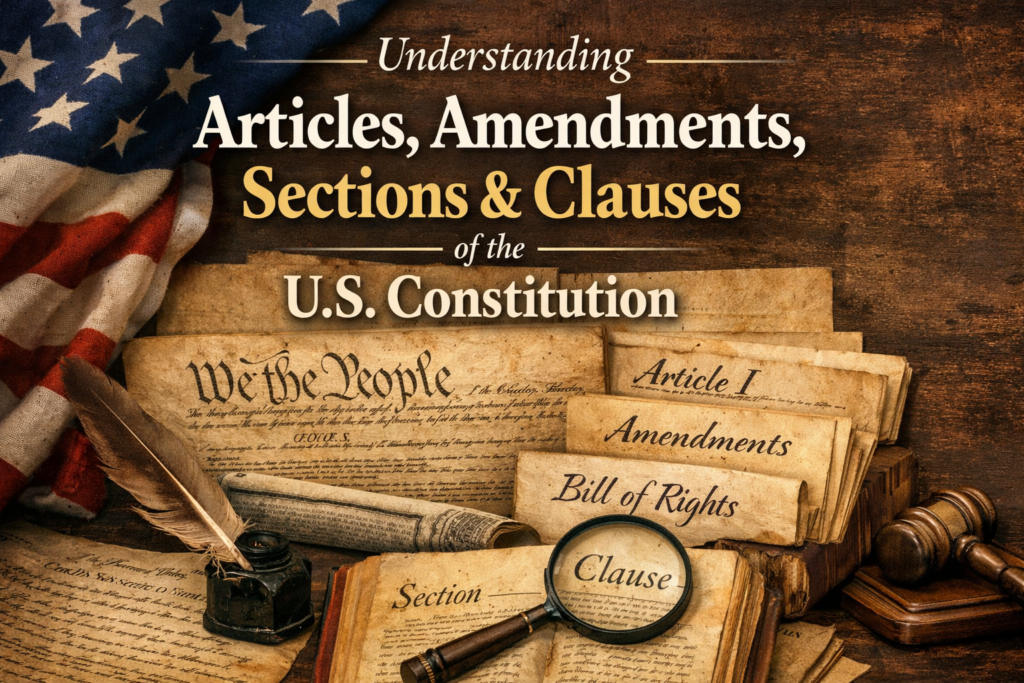
Introduction The U.S. Constitution serves as the foundational legal document of the United States, guiding the laws, policies, and principles that shape our democracy. Understanding its components, Articles, Amendments, Sections, and Clauses, is essential to appreciating how constitutional rights are preserved, interpreted, and sometimes contested. This blog is your comprehensive guide to understanding these critical […]