Title 18 USC §241: Conspiracy Against Rights Explained
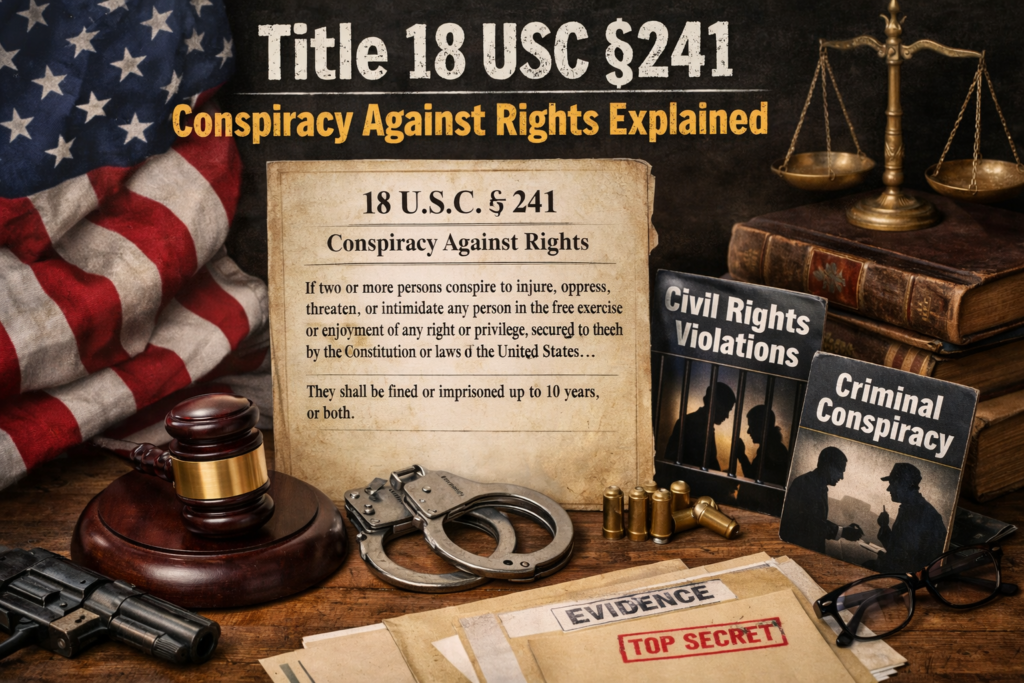
Introduction In a democracy founded on the values of liberty, equal protection, and due process, there must be legal safeguards against government and private actors violating those very guarantees. Title 18 USC §241, a federal law in the United States, stands as one such critical protection. But what exactly does it mean, and why is […]
Judicial Review: How Courts Enforce Constitutional Limits
Introduction Our modern democracies rely heavily on the rule of law, and at the heart of that principle is judicial review. One of the most powerful tools a court system has, judicial review serves as a constitutional compass, guiding law-making and executive powers back to their constitutional course when they veer off. But what exactly […]
Due Process and Equal Protection Under the Constitution
Introduction The U.S. Constitution outlines powerful legal protections meant to guarantee fairness, equality, and justice. Two of the most critical principles embodied in this document are due process and equal protection. While these terms may sound abstract, they play a deeply personal role in every citizen’s life, ensuring that laws are applied fairly and that […]
Statutes vs. Precedent: Common Law and Statutory Law Explained
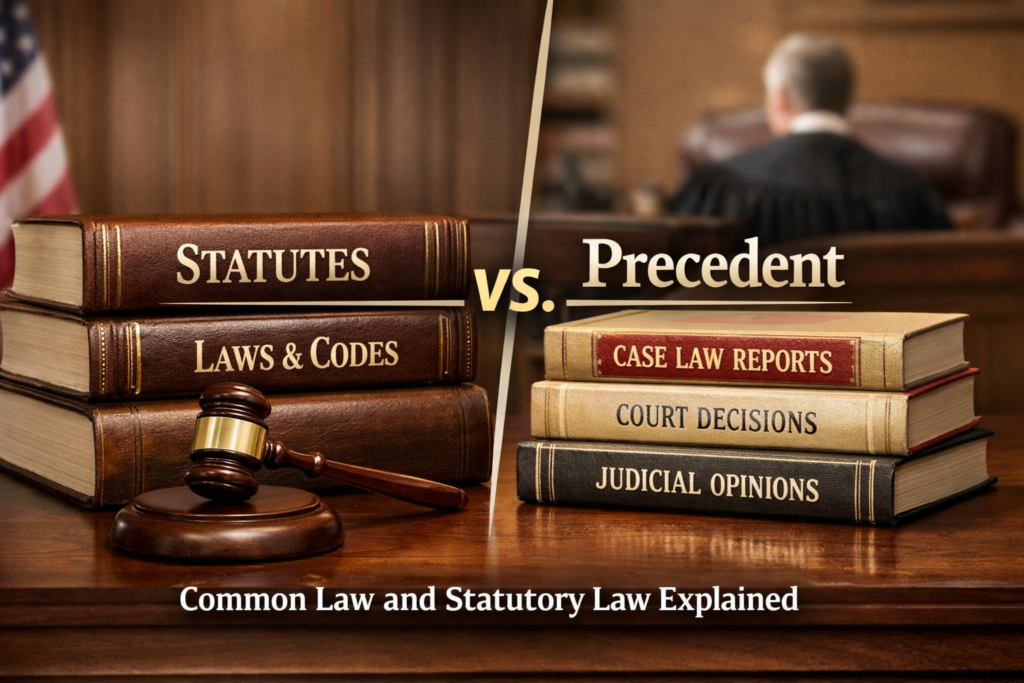
Introduction In American law, there are two dominant sources of legal rules: statutory law and common law, often referred to by its reliance on precedent. To understand how these legal frameworks work, and how they protect or sometimes challenge constitutional rights, it’s essential to explore their definitions, roles, and real-world impact. Today’s complex legal system […]
Understanding Articles, Amendments, Sections, and Clauses of the U.S. Constitution
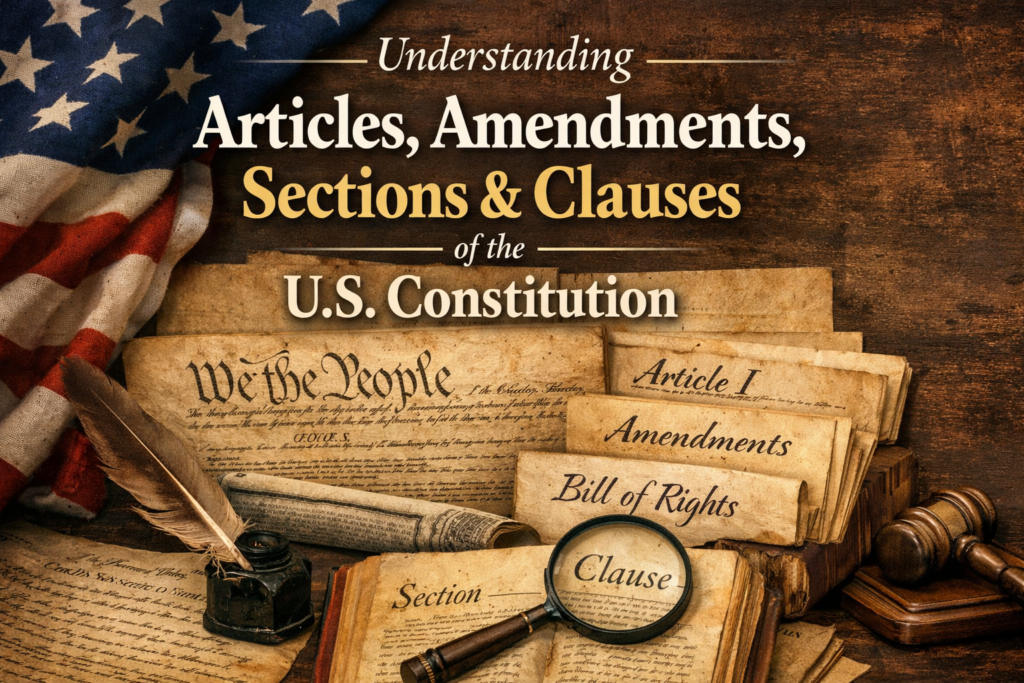
Introduction The U.S. Constitution serves as the foundational legal document of the United States, guiding the laws, policies, and principles that shape our democracy. Understanding its components, Articles, Amendments, Sections, and Clauses, is essential to appreciating how constitutional rights are preserved, interpreted, and sometimes contested. This blog is your comprehensive guide to understanding these critical […]
State Sovereignty Explained: What Powers Do States Actually Have?
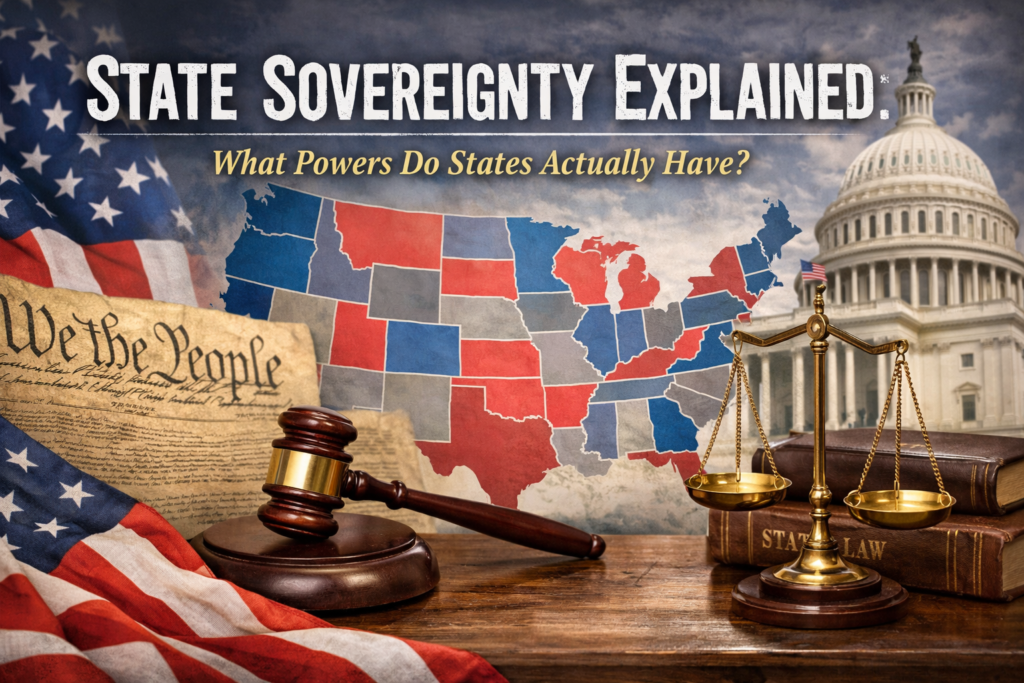
Introduction When people talk about “state rights” or “state sovereignty,” what do they really mean? In the United States, the balance of power between state governments and the federal government has always been a dynamic, sometimes contested, feature of our constitutional system. From education to taxation, healthcare to elections, states govern significant aspects of our […]
How Citizens Can Organize Across States Without Breaking the Law

Introduction Citizens across America are hungry for change, but many don’t know where to begin or how to work together across state lines without running afoul of legal boundaries. In an age of digital communication, national awareness, and rising interest in reform, more Americans are ready to transform frustrations into action. But how can that […]
Why Article V Is the Most Peaceful Tool for National Reform
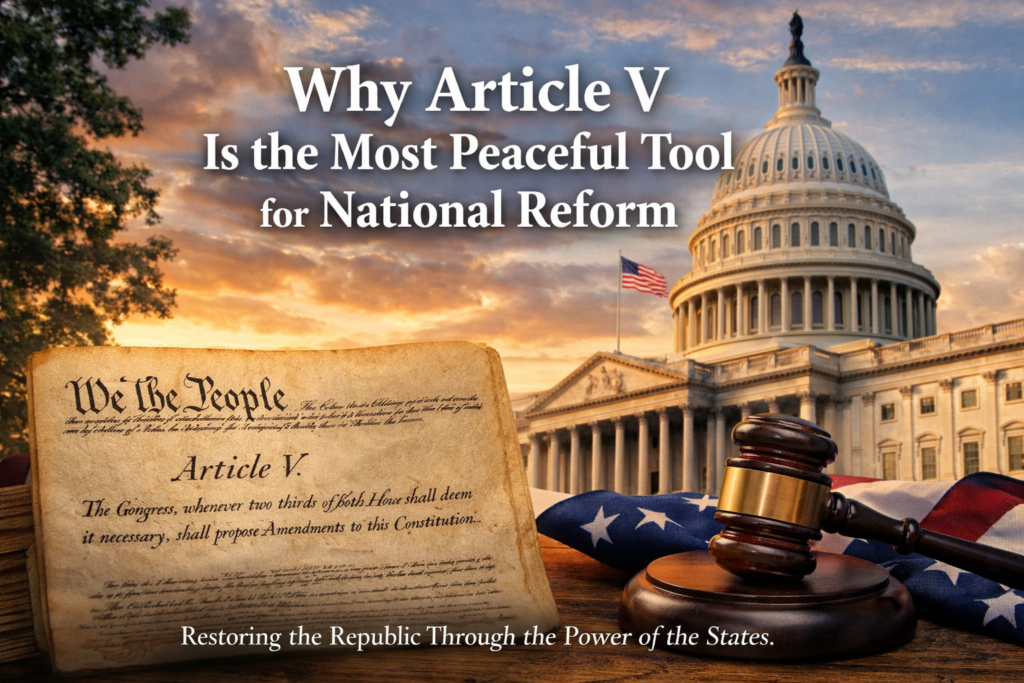
Introduction In a time when national dialogue often turns divisive, Americans are asking: How can we create real change without conflict? The answer might surprise many; it has existed in our Constitution all along. Article V, the constitutional clause that outlines how amendments can be made, offers the most peaceful and lawful method to initiate […]
The Future of Constitutional Reform: Trends to Watch
Introduction Constitutions are not static documents; they’re living frameworks that must evolve alongside the societies they govern. As the world faces growing demands for equity, accountability, and democratic resilience, the momentum for constitutional reform continues to build. Whether addressing unconstitutional laws, expanding constitutional rights, or ensuring equal protection for marginalized communities, reform efforts are now […]
The Role of Nonprofits in Fighting Unjust Laws
Introduction In a world where laws can both protect and oppress, nonprofits have become a critical force in defending democracy and advancing human dignity. These mission-driven organizations often operate at the intersection of politics, justice, and community empowerment. By challenging unconstitutional laws, fighting systemic oppression, and advocating for meaningful constitutional reform, nonprofits play a transformative […]