Maryland Ballot Measure Signature Requirements & Deadlines
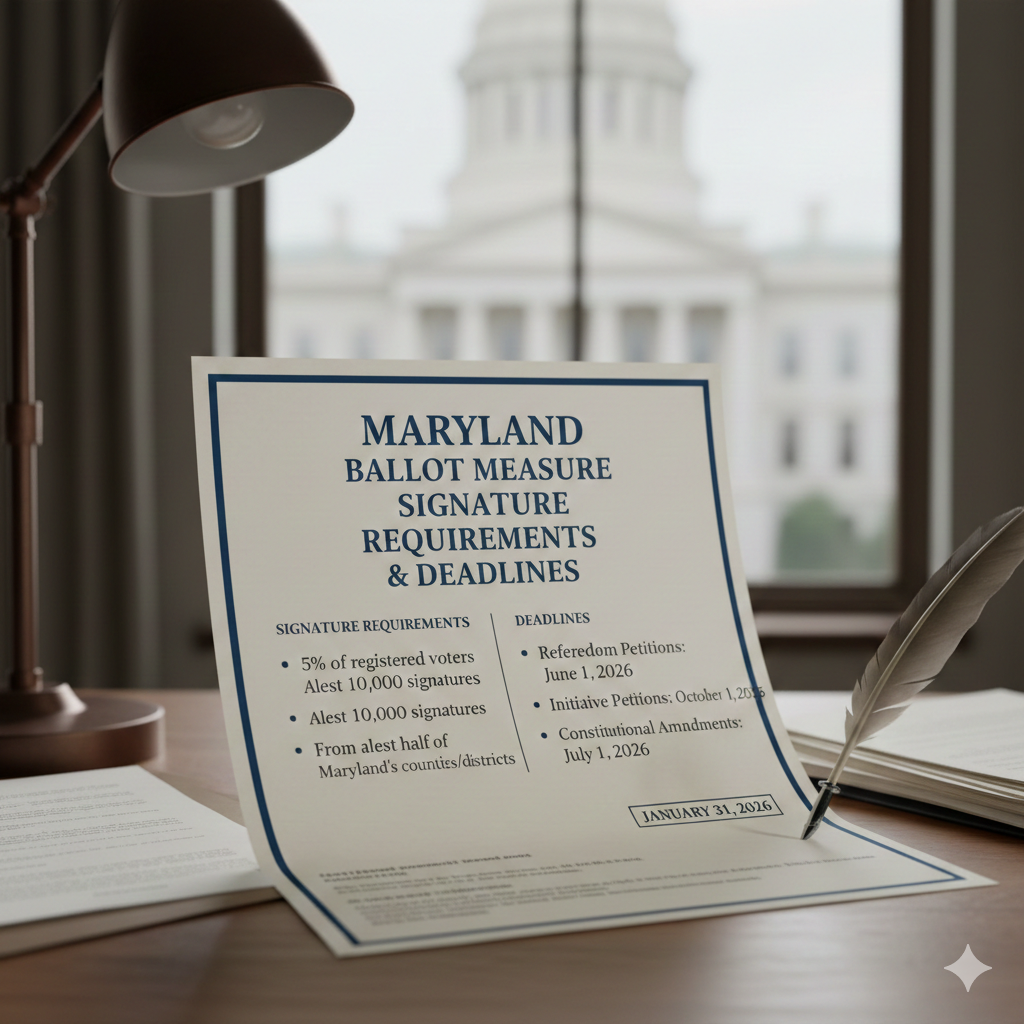
Introduction Maryland’s ballot measure process gives citizens a meaningful way to shape state policy. Whether it’s a petition for a constitutional amendment, a referendum, or a citizen-led initiative, understanding signature requirements and deadlines is essential. Many people assume these steps are only for political experts, but in reality, the process is designed to be accessible […]
How Initiatives Qualify for the Ballot: A Complete Guide

Introduction Every citizen has a voice, and in many U.S. states, that voice can shape laws directly through ballot initiatives. But how exactly does a citizen-led initiative qualify to appear on a ballot? It’s a common question, especially among first-time activists or those participating in local reform efforts. The process is more than just collecting […]
Automatic Ballot Referrals Explained
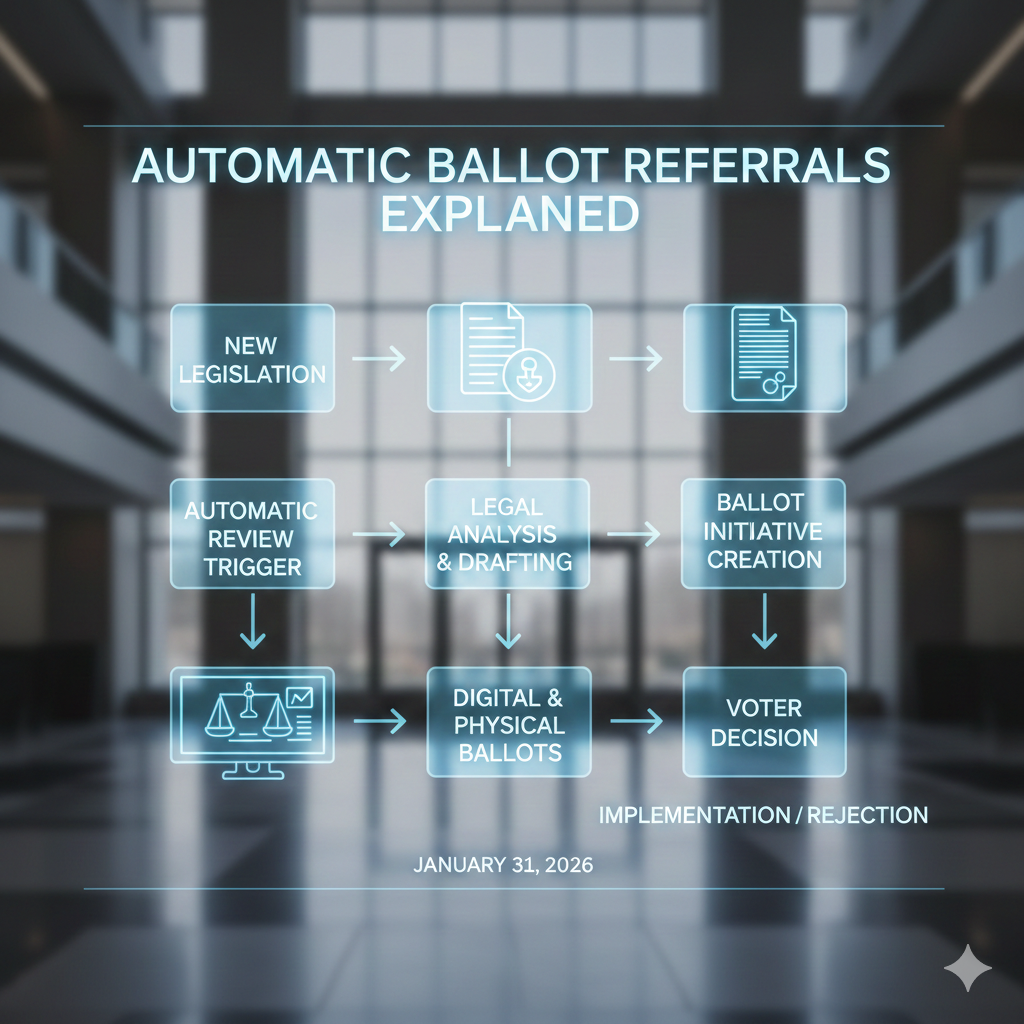
Introduction Automatic ballot referrals are a powerful yet often misunderstood democratic mechanism. At their core, they exist to safeguard constitutional rights when legislative actions drift too far from the will or protections of the people. In moments where unconstitutional laws threaten fairness, these referrals act as a corrective tool, reinforcing due process and public participation. […]
Circulation of Initiatives and Signature Collection Rules

Introduction In the heart of every democracy lies the power of the people to shape laws and reform government. Citizens don’t need to wait for lawmakers to act; they can lead. One of the most direct ways citizens participate in lawmaking is through initiatives. When properly circulated and supported by adequate signature collection, these public […]
Application and Content Requirements for Ballot Initiatives
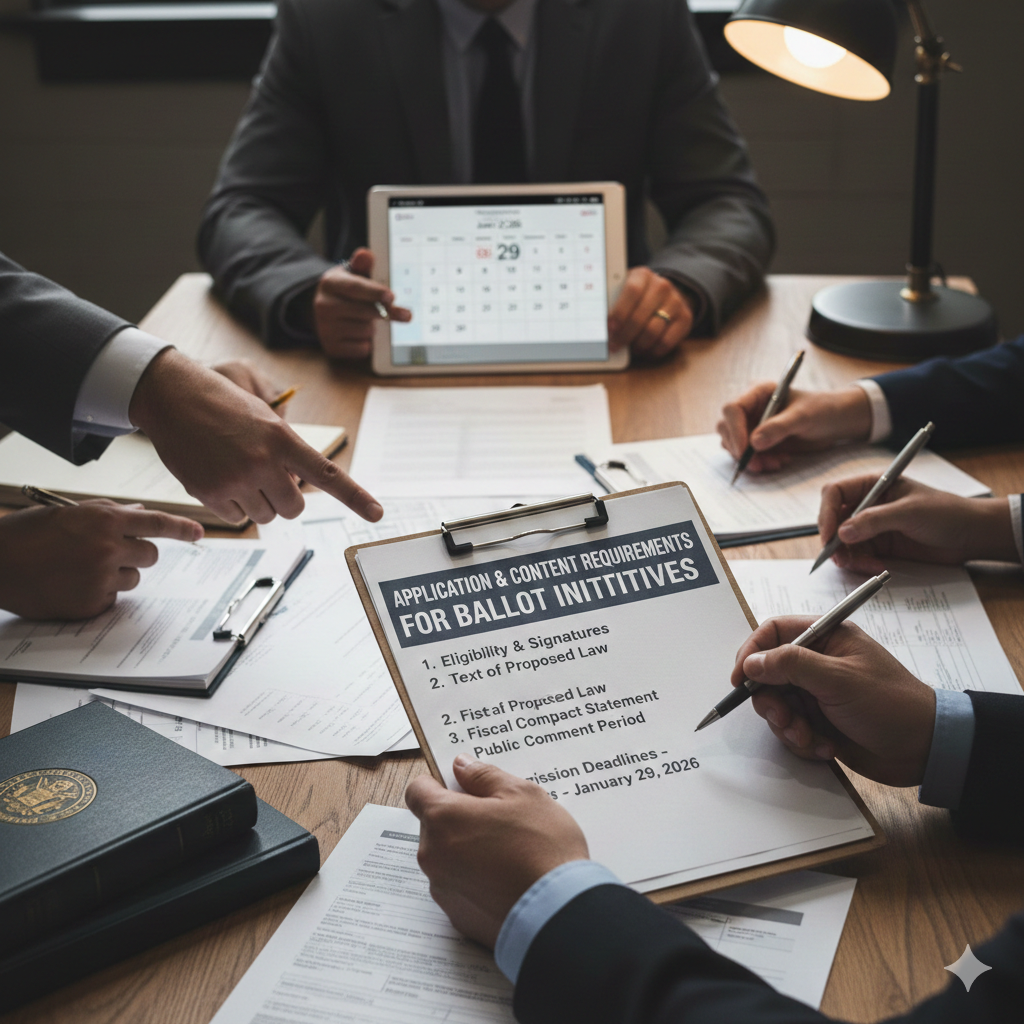
Introduction In the fight for democracy, ballot initiatives give power directly to the people, allowing everyday citizens to propose and vote on new laws or constitutional amendments. But it’s not as simple as drafting an idea and collecting signatures. Every initiative must meet strict application and content requirements to even make it onto the ballot, […]
Citizen Initiative Overview: How Citizens Propose Laws

Introduction In a representative democracy like the United States, most laws are passed by elected officials. However, in about half of all states, ordinary citizens can take matters into their own hands through a citizen initiative, a tool that lets voters propose legislation or constitutional amendments directly. This process has become a cornerstone for grassroots […]
States That Allow Citizen Initiatives and Referendums
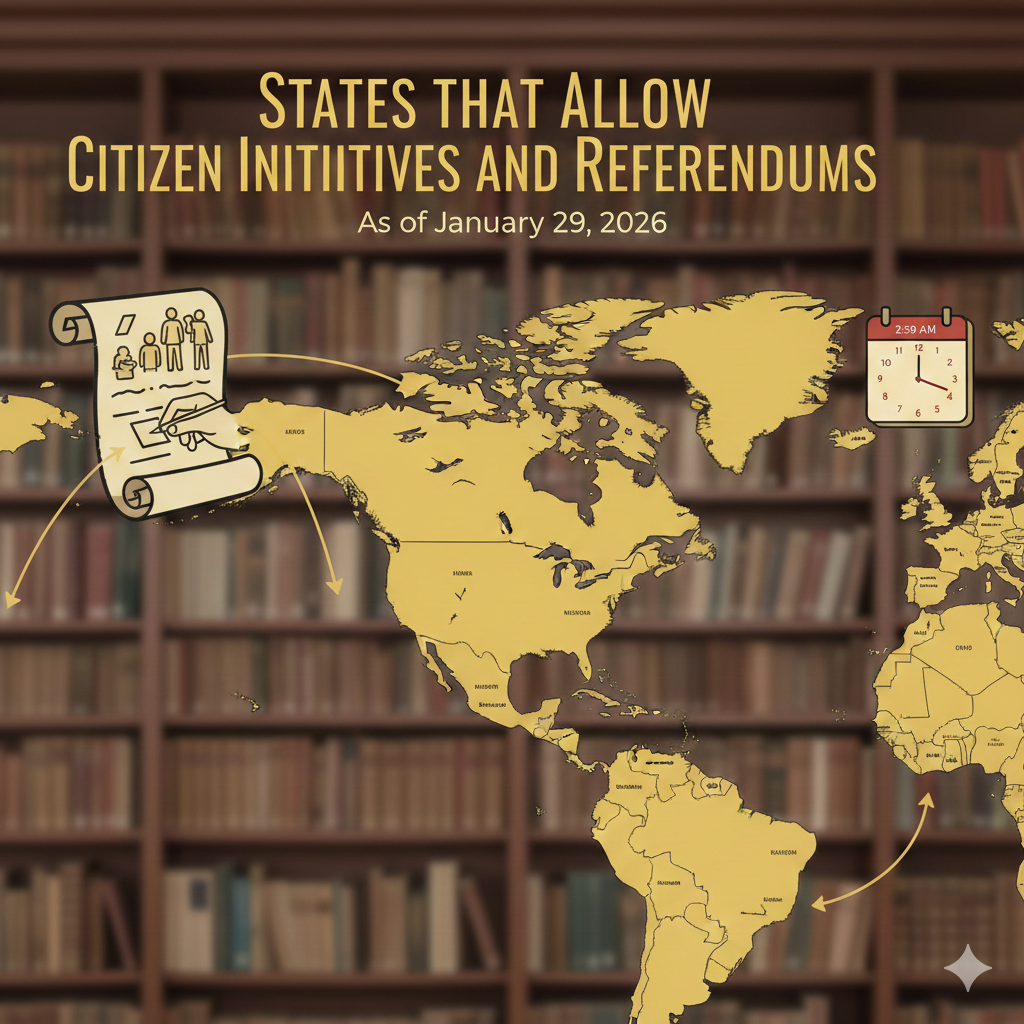
Introduction In the United States, democracy isn’t just built at the ballot box every four years; it’s shaped daily by citizens engaging directly with legislation through initiatives and referendums. These democratic tools allow people to propose new laws or repeal those they disagree with, standing up for constitutional rights, challenging unconstitutional laws, and advancing powerful […]
Initiative and Referendum Process Explained
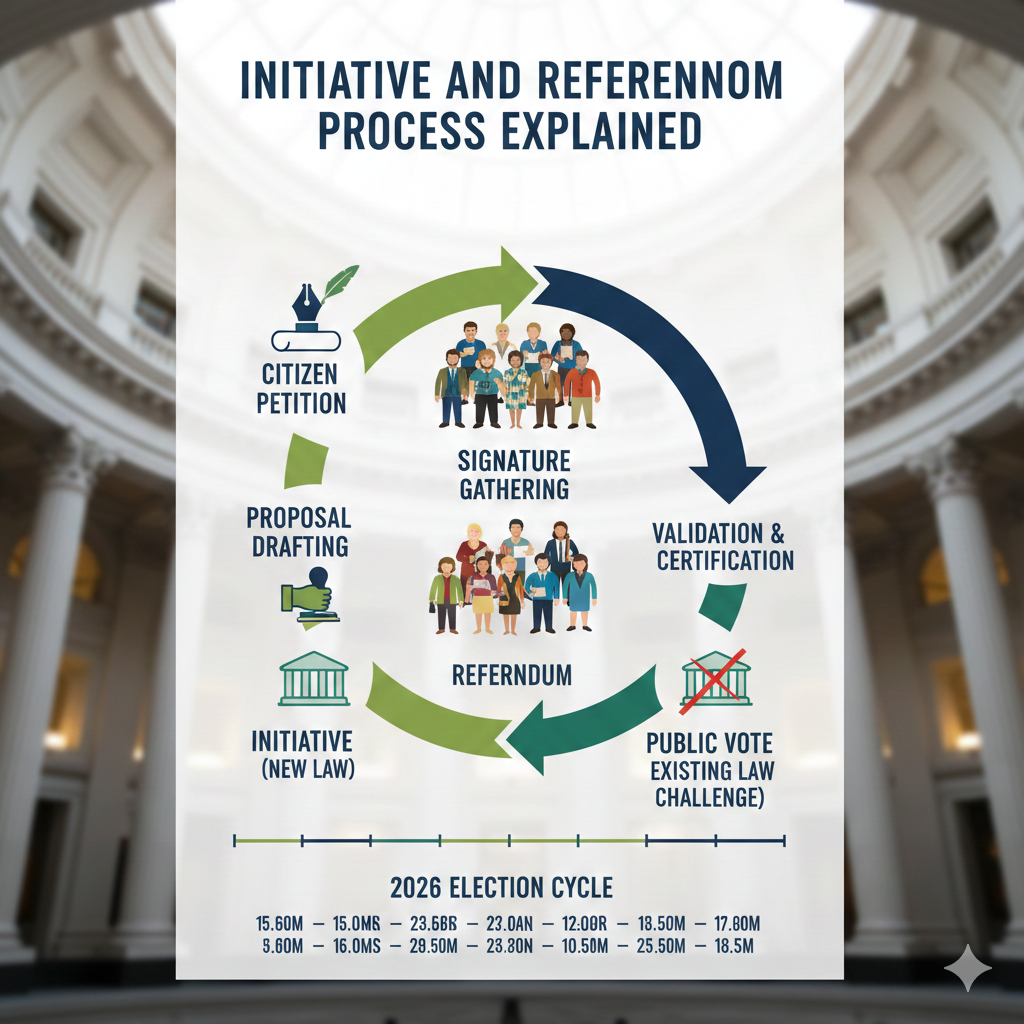
Introduction Democracy in the United States isn’t just about casting a vote every few years. For engaged citizens and reformers, tools like Initiative and Referendum allow for direct participation in shaping laws. These mechanisms of direct democracy empower everyday people to propose new policies, repeal existing laws, and call attention to issues ranging from constitutional […]
Role of the National Conference of State Legislatures (NCSL)
Introduction The United States operates on a unique and complex system of governance rooted in federalism and the protection of constitutional rights. As part of this system, state lawmakers hold crucial responsibilities, ranging from crafting legislation to initiating constitutional reform. Helping to guide and align state policy initiatives is the National Conference of State Legislatures […]
Federal, State, and Municipal Government Responsibilities
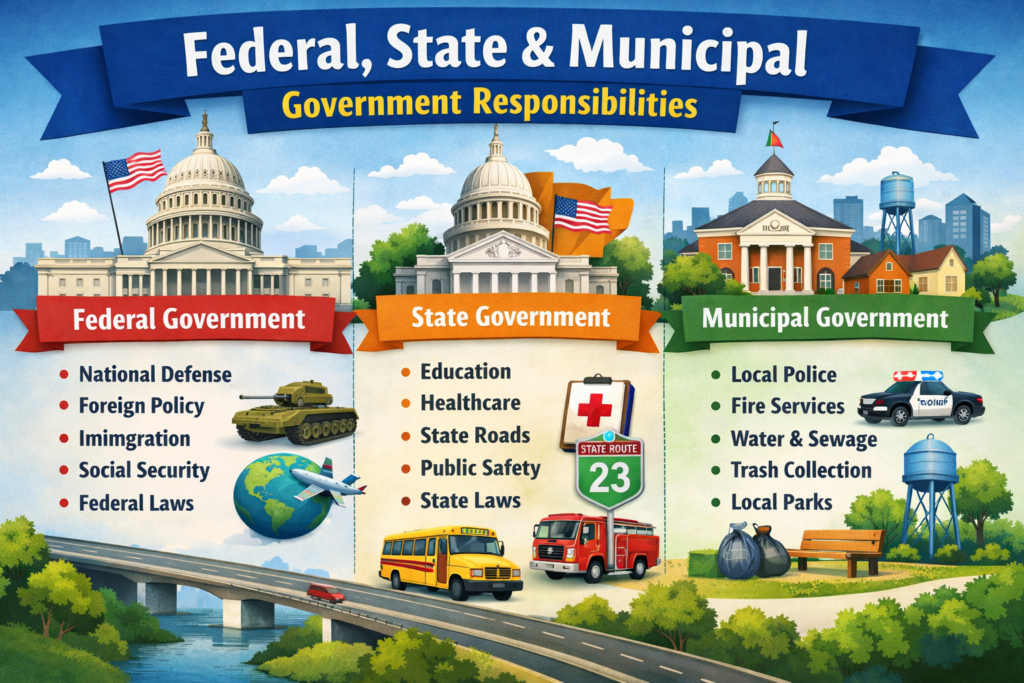
Introduction The United States is governed by a federal system in which power is shared among federal, state, and local (municipal) governments. Each level has its defined responsibilities, powers, and limitations that balance authority, uphold constitutional rights, and maintain a just, democratic society. Understanding these roles is key to appreciating how our government works and […]